TAKE
ALL
COURSES FOR £49
TAKE
ALL
COURSES FOR £49 1 Year Access
  77 Students
  23 hours, 32 minutes
Complete Hospitality Management Training with Restaurant Management & Food Catering Overview
Build practical hospitality, restaurant management, food catering and hotel operations skills with the Complete Hospitality Management Training with Restaurant Management & Food Catering course. This online hospitality management course is designed to help learners understand the foundations of hospitality and catering, including hotel operations, recruitment, staff training, front office management, housekeeping, engineering, security, food and beverage operations, service quality, travel and tourism marketing, hospitality accounting, customer satisfaction and e-hospitality technology.
Whether you are planning to start a career in hospitality, work in restaurant management, support hotel operations, manage catering services or improve customer service standards, this Complete Hospitality Management Training with Restaurant Management & Food Catering course provides a structured introduction to key hospitality business practices.
The course covers important topics such as introduction to hospitality and catering, overview of the hotel industry, selection and recruitment in hospitality, development and training, front office operations, housekeeping operations, engineering and security operations, food and beverage operations, service quality management, marketing in travel and tourism, accounting in hospitality, customer satisfaction and e-hospitality technology.
Throughout the course, you will learn how to:
- Understand the foundations of hospitality and catering management
- Explore the structure and functions of the hotel industry
- Recognise recruitment and selection processes in hospitality
- Develop awareness of staff development and training in hospitality businesses
- Understand front office operations and guest-facing responsibilities
- Explore housekeeping, engineering and security operations
- Understand food and beverage operations in hospitality settings
- Recognise the importance of service quality and customer satisfaction
- Develop awareness of marketing in travel and tourism businesses
- Understand basic accounting principles used in hospitality
- Explore e-hospitality and technology in modern service operations
- Build foundational knowledge for hotel, restaurant, catering and hospitality management roles
This Complete Hospitality Management Training with Restaurant Management & Food Catering course is suitable for beginners, hospitality learners, restaurant staff, catering workers, hotel employees, customer service professionals, travel and tourism learners, supervisors, managers and anyone interested in hospitality operations and service management.
- › Last Audited and Updated: 29th July 2026
Learning Outcomes
By the end of the Complete Hospitality Management Training with Restaurant Management & Food Catering course, learners will be able to:
- Understand the key principles of hospitality and catering management.
- Explain the structure and importance of the hotel industry.
- Recognise recruitment and selection processes in hospitality businesses.
- Understand training and development approaches used in the hospitality industry.
- Develop awareness of front office operations and guest service responsibilities.
- Understand housekeeping, engineering and security operations in hotels.
- Recognise the role of food and beverage operations in hospitality management.
- Explain how service quality affects customer satisfaction and business success.
- Develop awareness of marketing in travel and tourism businesses.
- Understand basic hospitality accounting and financial awareness.
- Recognise the impact of e-hospitality and technology on modern service delivery.
- Build foundational knowledge for further study or employment in hospitality, restaurant management, catering and hotel operations.
Who is This Course For
This Complete Hospitality Management Training with Restaurant Management & Food Catering course is ideal for:
- Aspiring hospitality managers
- Restaurant management learners
- Catering assistants and catering supervisors
- Hotel reception and front office learners
- Food and beverage staff
- Housekeeping and hotel operations learners
- Travel and tourism learners
- Customer service professionals
- Small hospitality business owners
- Anyone interested in hospitality, restaurant and catering management
This course is suitable for learners who want to gain beginner-friendly hospitality knowledge before progressing into hotel work, restaurant management, catering supervision, food and beverage operations, customer service or further hospitality training.
Why Enrol in This Complete Hospitality Management Training Course?
This Complete Hospitality Management Training with Restaurant Management & Food Catering course is designed to help learners build a strong foundation in hospitality operations, service quality, catering management and customer satisfaction. It provides a flexible learning pathway for those who want to understand how hotels, restaurants, catering services and hospitality businesses operate successfully.
Benefits of this course:
- CPD Accredited Hospitality Management Training
- 100% Online and Self-Paced Learning
- Covers Hospitality, Catering and Hotel Industry Fundamentals
- Includes Recruitment, Selection, Training and Staff Development
- Covers Front Office, Housekeeping, Engineering and Security Operations
- Includes Food and Beverage Operations and Restaurant Management Awareness
- Covers Service Quality, Customer Satisfaction and Hospitality Accounting
- Includes Travel and Tourism Marketing and E-Hospitality Technology
- Useful for Hotel, Restaurant, Catering and Customer Service Roles
- Flexible Study from Any Device
- Career-Focused Curriculum for Hospitality and Food Service Pathways
Career Opportunities
Completing the Complete Hospitality Management Training with Restaurant Management & Food Catering course can support learners who want to explore opportunities in hospitality, hotels, restaurants, catering, food and beverage service, customer service and tourism operations. The knowledge gained from this course can help learners understand guest service, staff training, front office operations, housekeeping, food service, service quality, customer satisfaction and hospitality business processes.
Potential career opportunities include:
- Hotel Assistant
Support hotel operations by helping with guest services, front office tasks, room coordination, customer enquiries and daily hotel administration.
Average salary: £19,000 to £27,000
- Hotel Manager
Manage hotel operations, including guest services, housekeeping, food and beverage facilities, events, staffing and business performance.
Average salary: £30,000 to £60,000
- Restaurant Supervisor
Support restaurant operations by coordinating staff, monitoring service quality, handling customer needs and helping maintain smooth daily service.
Average salary: £22,000 to £32,000
- Restaurant Manager
Organise the day-to-day running of a restaurant and help ensure customers are satisfied with food, service and overall experience.
Average salary: £26,000 to £40,000
- Catering Assistant
Prepare and serve food, support kitchen operations, maintain hygiene standards and assist with food service in catering settings.
Average salary: £18,000 to £25,000
- Catering Manager
Manage food service operations for restaurants, bars, schools, colleges, events or outside catering suppliers.
Average salary: £20,000 to £34,000
- Food and Beverage Assistant
Support restaurant, bar or hotel food service by assisting guests, serving food and drinks, maintaining standards and supporting service teams.
Average salary: £18,000 to £25,000
- Front Office Assistant
Support reception, guest check-in, booking enquiries, customer communication and front desk administration in hotels or hospitality settings.
Average salary: £19,000 to £27,000
- Hotel Housekeeper
Maintain guest rooms and hotel areas, ensuring accommodation is clean, tidy and ready for visitors.
Average salary: £19,000 to £28,000
- Chef Pathway Learner
Use hospitality and catering knowledge as a foundation before progressing into practical kitchen training, food preparation and professional cooking roles.
Average salary: £22,000 to £40,000
Please note: This course provides foundation-level hospitality, restaurant management and food catering knowledge. Some hotel, catering, restaurant or food service roles may require practical experience, food hygiene training, customer service experience, workplace supervision skills or employer-specific training.
Assessment Method
The Complete Hospitality Management Training with Restaurant Management & Food Catering course is assessed through an online assessment process designed to check learners’ understanding of the course materials. After completing the course modules, learners may be required to complete a multiple-choice assessment or online test based on the key topics covered in the curriculum.
The assessment helps learners review important areas such as hospitality and catering, hotel industry operations, recruitment and selection, development and training, front office operations, housekeeping, engineering and security, food and beverage operations, service quality, travel and tourism marketing, hospitality accounting, customer satisfaction and e-hospitality technology.
Learners can complete the assessment online at their own pace, making the process flexible and convenient.
Eligibility Requirements
This Complete Hospitality Management Training with Restaurant Management & Food Catering course is open to learners from different academic and professional backgrounds. No previous hospitality experience is required, although an interest in hotels, restaurants, catering, travel, tourism, customer service or business management is recommended.
The course is suitable for learners who want to develop introductory hospitality management knowledge, prepare for hotel or restaurant roles, improve service quality awareness or progress towards further training in catering, tourism or hospitality management.
Entry Requirements
- Age Requirement: Learners should be aged 16 or above.
- Academic Background: No formal academic qualification is required to enrol in this course.
- Hospitality Interest: An interest in hospitality, restaurant management, catering, hotels, travel or customer service is recommended.
- Communication Skills: Basic communication and customer service awareness are helpful for hospitality-related learning.
- Language Proficiency: A good understanding of English is helpful for following the course materials.
- Device Requirement: Learners will need access to a smartphone, tablet, laptop or desktop computer with an internet connection.
- Study Commitment: Learners should be prepared to complete the online lessons and assessment independently.
- Professional Awareness: Learners should understand that hospitality and food service roles may require practical workplace experience, food hygiene knowledge, customer service skills, flexible working hours and employer-specific training.
Why Choose Us
- Affordable, engaging and high-quality online learning materials
- Beginner-friendly hospitality, restaurant management and catering course content
- Practical knowledge for hotel operations, food service and customer satisfaction
- Flexible study through a user-friendly online platform
- Access course materials from mobile, tablet or desktop
- Self-paced learning suitable for busy learners
- Efficient online assessment process
- CPD accredited certificate included
- Career development and further study opportunities
- Helpful student support via email
Certification
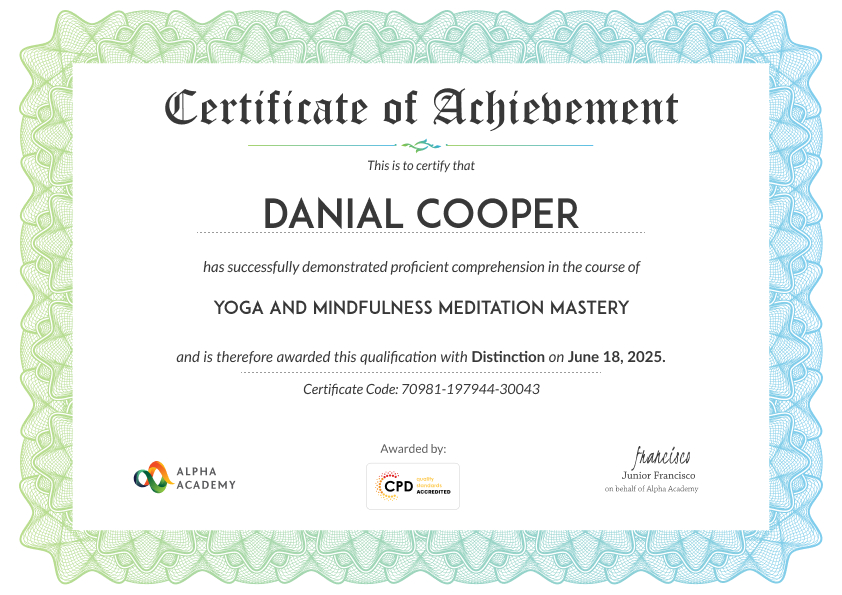
At the end of the course, you will be required to sit an online multiple-choice test. After successfully completing the final test, you will get a CPD-accredited Certificate of Achievement. The PDF Certificate is priced at £9.99 and will be emailed to you immediately. Also, a printed hardcopy certificate can be purchased for £17.99 and will be sent to your address by post.
Frequently Asked Questions
Hospitality management involves overseeing hotels, restaurants, and catering services. It includes operations, customer service, staff management, financial planning, and quality control to ensure efficient service and high guest satisfaction in the hospitality industry.
Successful restaurant management requires planning menus, managing staff, controlling inventory, ensuring food safety, maintaining quality service, and monitoring finances. Efficient coordination and customer satisfaction are key to long-term success.
Food catering management requires organizational skills, menu planning, food hygiene knowledge, supplier coordination, budgeting, event planning, and effective communication to deliver timely, safe, and high-quality catering services.
Technology enhances hospitality operations through digital reservations, e-hospitality platforms, automated billing, customer feedback systems, and inventory management. It improves efficiency, service quality, and guest experiences while streamlining day-to-day processes.
Customer satisfaction drives repeat business, positive reviews, and brand loyalty. Monitoring feedback, addressing complaints, and maintaining service quality ensures guest retention and strengthens the reputation of hotels, restaurants, and catering businesses.

 TAKE
ALL
COURSES FOR £49
TAKE
ALL
COURSES FOR £49