TAKE
ALL
COURSES FOR £49
TAKE
ALL
COURSES FOR £49 1 Year Access
  12 Students
  1 day, 2 hours
Complete Solar Energy Design Course From Zero To Hero Overview
The Complete Solar Energy Design Course From Zero To Hero immerses you in the world of solar energy systems. You’ll start by learning the fundamentals of solar panels and progress to designing and simulating advanced solar energy systems. Gain hands-on experience with various photovoltaic (PV) systems, including off-grid, hybrid, and on-grid setups. Engage in practical lessons and simulations using industry-standard tools like PVSyst, Excel, AutoCAD, and MATLAB. By the end of this course, you’ll confidently design, implement, and optimise solar energy solutions, ready to tackle real-world projects with expertise.
Bonus Features Included:
- Free Course: Professional Diploma in Renewable Energy
- Free Course: Electrician Online Course Outcomes
- › Last Audited and Updated: 29th July 2026
- Understand the fundamental components and types of solar energy panels and PV systems.
- Identify and describe the functions of batteries, charge controllers, and inverters in a PV system.
- Design and implement an off-grid solar energy system with a focus on system protection.
- Perform off-grid system design using PVSyst and conduct 3D shading analysis.
- Develop and design hybrid PV systems integrating multiple energy sources.
- Create efficient designs for on-grid solar energy systems.
- Utilise the PVsyst program for designing and simulating PV systems.
- Design solar water pumping systems for various applications.
- Use Excel to design and calculate PV system parameters.
- Apply AutoCAD for creating single line diagrams and simulate solar energy systems using Simulink in MATLAB.
Eligibility Requirements
To enrol in this course, participants should have a basic understanding of electrical engineering concepts and a keen interest in renewable energy technologies. No prior experience in solar energy is required, but familiarity with general engineering principles and an eagerness to learn will be beneficial.
Entry Requirements
- Age Requirement: Applicants must be aged 16 or above, allowing both young learners and adults to engage in this educational pursuit.
- Academic Background: There are no specific educational prerequisites, opening the door to individuals from diverse academic histories.
- Language Proficiency: A good command of the English language is essential for comprehension and engagement with the course materials.
- Numeracy Skills: Basic numeracy skills are required to effectively understand and work with course-related information.
Why Choose Us
- Affordable, engaging & high-quality e-learning study materials;
- Tutorial videos/materials from the industry-leading experts;
- Study in a user-friendly, advanced online learning platform;
- Efficient exam systems for the assessment and instant result;
- The UK & internationally recognised accredited
- Access to course content on mobile, tablet or desktop from anywhere, anytime;
- The benefit of career advancement opportunities;
- 24/7 student support via email.
Career Path
Completing this course unlocks numerous career opportunities in the expanding field of solar energy. You can take on roles like solar energy designer, PV system installer, energy consultant, or project manager. With your newfound expertise, you will be well-positioned to work with renewable energy companies, environmental organisations, and government agencies dedicated to sustainable energy solutions.
Certification
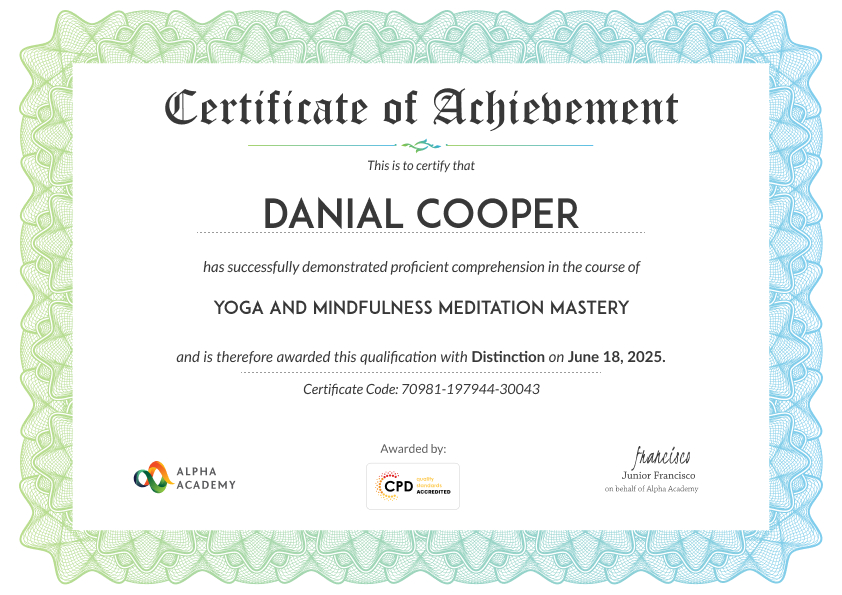
At the end of the course, you will be required to sit an online multiple-choice test. After successfully completing the final test, you will get a CPD-accredited Certificate of Achievement. The PDF Certificate is priced at £9.99 and will be emailed to you immediately. Also, a printed hardcopy certificate can be purchased for £17.99 and will be sent to your address by post.
Reviews From Our learners
Frequently Asked Questions
This course is designed to teach the fundamentals of planning and designing solar photovoltaic systems for homes, businesses, and off-grid applications. It covers system sizing, component selection, layouts, standards, and project planning.
It is suitable for complete beginners, electricians, engineers, sustainability professionals, entrepreneurs, and anyone interested in entering the renewable energy sector.
You will learn solar principles, on-grid and off-grid solar system sizing, solar PV design software training, energy calculations, battery basics, and electrical code and solar installation standards.
These are safety and compliance principles covering wiring, protection devices, earthing, isolation, and best-practice installation methods.
Yes. Successful learners receive a CPD accredited solar design engineering certification after completing the course assessment.

 TAKE
ALL
COURSES FOR £49
TAKE
ALL
COURSES FOR £49