TAKE
ALL
COURSES FOR £49
TAKE
ALL
COURSES FOR £49 1 Year Access
  33 Students
  2 hours
Counselling and Psychotherapy Training Overview
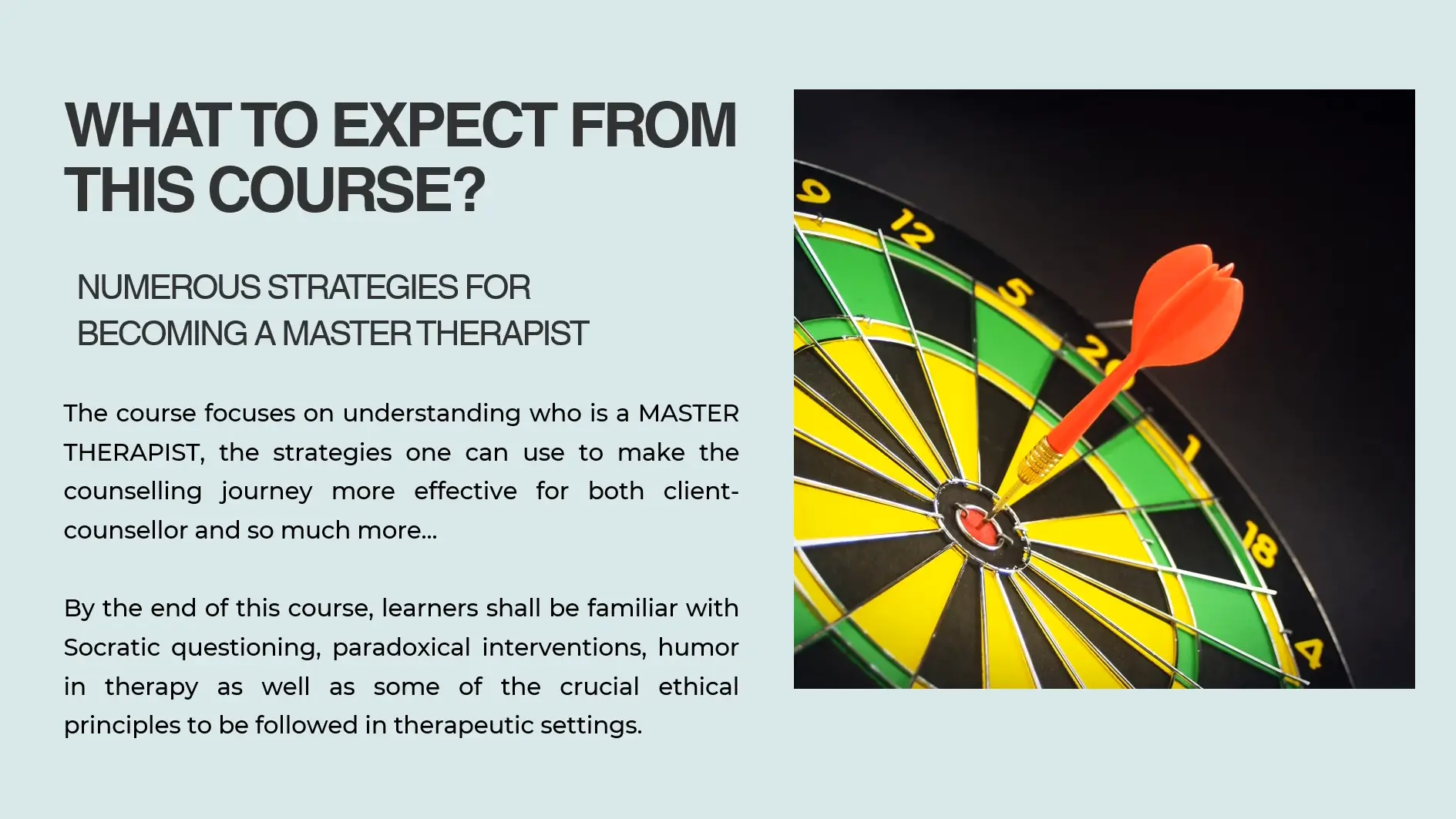
The Counselling and Psychotherapy Training course equips learners with the necessary skills and knowledge to master advanced therapeutic techniques. It searches into the complexities of non-linear thinking, paradoxical interventions, and the transformative use of humor in therapy. By exploring these topics, participants will develop a deeper understanding of effective therapeutic strategies, ethical practices, and the traits of master therapists. This course provides a comprehensive foundation for anyone seeking to enhance their counseling and psychotherapy expertise.


Learning Outcomes
- Understand the principles of non-linear thinking and how to apply them in therapy.
- Master advanced non-linear thinking techniques to address complex cases.
- Identify and utilize paradoxical interventions in therapeutic settings.
- Differentiate between paradoxical intervention strategies, such as neutralizers, tranquilizers, and energizers.
- Apply humour effectively and appropriately as a therapeutic tool.
- Recognise the ethical considerations when integrating humour into therapy.
- Develop a strong grasp of the elements of humour and their role in building rapport.
- Explore the characteristics that define master therapists.
- Implement ethically sound practices in counselling and psychotherapy.
- Gain practical insights to enhance professional competence and client outcomes.
Who Is This Course For
This course is perfect for individuals passionate about counselling and psychotherapy, including aspiring therapists, current practitioners looking to refine their skills, or professionals from related fields seeking to incorporate therapeutic techniques into their work. It is also ideal for educators, coaches, and social workers who want to deepen their understanding of advanced counselling methods and expand their impact.
Eligibility Requirements
This course is open to anyone with an interest in counselling and psychotherapy. Prior experience in a related field is beneficial but not mandatory. Participants should possess a willingness to learn and apply advanced therapeutic concepts.
Entry Requirements
- Age Requirement: Applicants must be aged 16 or above, allowing both young learners and adults to engage in this educational pursuit.
- Academic Background: There are no specific educational prerequisites, opening the door to individuals from diverse academic histories.
- Language Proficiency: A good command of the English language is essential for comprehension and engagement with the course materials.
- Numeracy Skills: Basic numeracy skills are required to effectively understand and work with course-related information.
Why Choose Us
- Affordable, engaging & high-quality e-learning study materials;
- Tutorial videos/materials from the industry-leading experts;
- Study in a user-friendly, advanced online learning platform;
- Efficient exam systems for the assessment and instant result;
- The UK & internationally recognised accredited
- Access to course content on mobile, tablet or desktop from anywhere, anytime;
- The benefit of career advancement opportunities;
- 24/7 student support via email.
Career Path
Completing this course opens diverse career opportunities in the counselling and psychotherapy field. Graduates can work in private practice, healthcare settings, educational institutions, or corporate environments. They may also pursue specialised roles involving humour or paradoxical interventions, providing a unique edge in the mental health and wellness sectors.
Frequently Asked Questions
Counselling and psychotherapy training teaches practical therapeutic skills, ethical practice, and advanced intervention techniques. It helps learners understand human behaviour, emotional patterns, and effective communication methods used by professional therapists to support client change and wellbeing.
Paradoxical intervention is a therapeutic technique where clients are encouraged to engage in or exaggerate problem behaviours. This approach disrupts resistance, promotes self-awareness, and creates behavioural change by challenging existing patterns in a safe therapeutic environment.
Humour in therapy is used to reduce resistance, build rapport, and reframe problems. When applied ethically and sensitively, it helps clients gain new perspectives, lowers emotional intensity, and supports therapeutic engagement without minimising client experiences.
Non-linear thinking allows therapists to move beyond rigid models and adapt interventions creatively. It helps practitioners understand complex client dynamics, respond flexibly, and apply advanced therapeutic strategies tailored to individual client needs and contexts.
Master therapists demonstrate ethical awareness, emotional intelligence, adaptability, and advanced intervention skills. They integrate techniques such as paradox, humour, and non-linear thinking to facilitate deeper client insight, resilience, and long-lasting therapeutic outcomes.

 TAKE
ALL
COURSES FOR £49
TAKE
ALL
COURSES FOR £49