Every January, many people start searching for healthier habits after the festive season. Terms like benefits of juicing for weight loss, best smoothies for gut health UK, and does juicing actually work become more popular as people look for simple ways to feel better, eat cleaner, and support their wellbeing. But with so many detox claims, viral smoothie recipes, and quick-fix promises online, it is easy to feel confused. In this blog, Juicing and Blending for Health: What the Science Really Says, we will explore what juicing and blending can genuinely do for your body, what science supports, and where wellness marketing often goes too far. You will also learn why structured guidance through a Juicing and Blending Course can be much more useful than following random advice from social media.
Table of Contents
Understanding Nutrient Density Before Reaching for a Blender
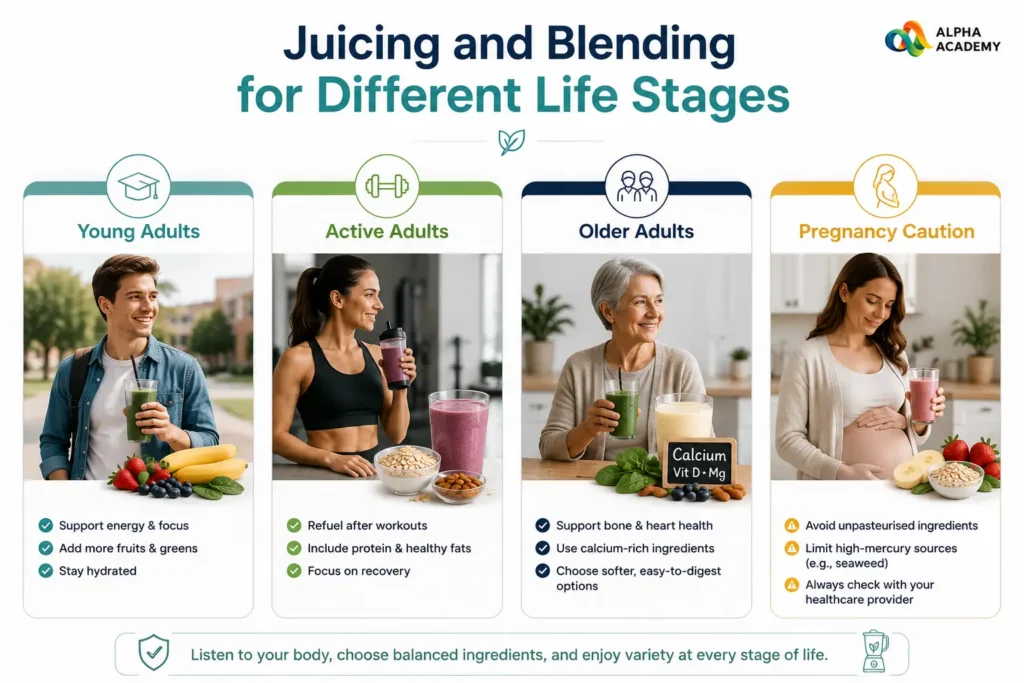
Nutrient density is the amount of vitamins, minerals and other beneficial plant compounds a food provides compared to its calorie content. Real fruit and vegetables are typically in the higher end of the spectrum and so juicing or blending multiple servings’ worth of fruit and veg into a single glass makes it much more accessible to the daily amount of fruit and vegetables than eating their whole counterparts, which is difficult for many people with busy lifestyles.
This is especially important in a UK context, where public health statistics have consistently indicated that adults are not consuming enough fruit and vegetables (only 5 portions a day). A well-rounded smoothie or juice, eaten alongside a diverse eating plan, can go a long way in filling that void without needing the drastic overhaul of eating plans.
Vitamins, Minerals and Plant Compounds Worth Knowing
Leafy greens like spinach and kale provide folate, vitamin K and iron well absorbed by the body, especially when served with a vitamin C source like citrus fruit which increases the absorption of plant iron. Beetroot has become a popular addition to UK juice recipes, and is known to have nitrates that promote healthy blood pressure and exercise performance, making it a growing interest among amateur and professional athletes.
Meanwhile, berries contain a high level of polyphenols and antioxidants that have been shown to lower levels of inflammation markers in a variety of population studies, but it is important to not mistake such results as causative and direct in any single person. Ginger and turmeric are two spices that are often used in recipes for today’s smoothies, and they have had a long history in traditional medicine systems, and are currently being researched for anti-inflammatory properties; however, neither should be used as a replacement for medical treatment.
Juicing, Blending and Weight Management
Weight loss is a common reason for juicing and blending but it’s not quite as simple as the other quick articles make it look.Where Juicing Can Support Weight Goals
If the juice is used in place of a high calorie meal or snack, but not an actual meal, it can be an effective means to help reduce daily calorie intake when done strategically. Juicing may be a way to boost pleasure and satisfaction from vegetable intake in individuals who have trouble getting enough vegetables into their diet, which also contributes to a more balanced approach to eating. Most registered dietitians, however, don’t recommend “cleanses” or long juice fasts to shed pounds, as their diet excludes the fibre and protein necessary to keep the person feeling full, which can trigger overeating once she returns to normal eating. A prolonged juice-only diet may also lead to weight loss, as well as weight loss of muscle mass, if the calories and protein are too low and consumed for too long of a period.Why Blending Often Suits Sustainable Weight Management Better
Blending leaves behind the fibre that is removed during juicing helping to keep you fuller longer after drinking. When made from a base of leafy greens, a small portion of fruit, a source of protein like Greek yoghurt or plant-based protein powder and a healthy fat like a small amount of nut butter or chia seeds – a smoothie can be a true meal replacement and not just a snack.| Consideration | Juice-Based Approach | Blend-Based Approach |
|---|---|---|
| Fibre Retained | Minimal | High |
| Satiety Duration | Short | Longer |
| Suitability as Meal Replacement | Limited without additions | Strong, if protein and fat included |
| Risk of Blood Sugar Spike | Higher, particularly with fruit-heavy recipes | Lower, due to fibre slowing absorption |
| Best Used For | Nutrient top-up between meals | Balanced breakfast or lunch substitute |
Gut Health and Digestive Wellbeing
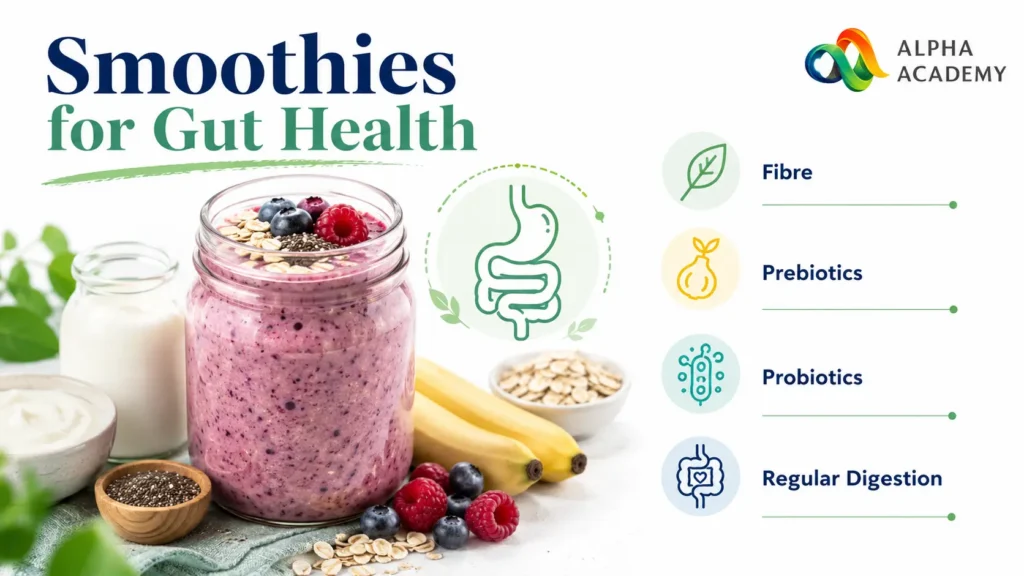
In recent years, juicing and blending have been connected with the large amount of research on gut health being done across the UK, and it’s an important one. Vegetable, fruit and seed smoothies are a good source of fibre, although most of this is lost in the blending process and some is eliminated by juicing, which helps to nourish the good bacteria in the gut that enhances regular digestion, and they make for a good addition to a fiber-rich diet one a day.
This duo of prebiotic fibre from fruit and veg and probiotic bacteria, such as fermented additions like live natural yoghurt or kefir, which are just becoming commonplace in UK supermarkets, can be combined in smoothies to enhance the diversity of gut flora, which is better than adding either fibre or probiotics in isolation.
In contrast, juicing does not provide a direct digestive benefit due to the absence of fibre, but it can help to keep you hydrated and help to support micronutrient intake, which indirectly benefits digestive comfort.
Immune Support and Seasonal Illness
Vitamin C is plentiful and a crucial part of good immunity, and citrus juices are a good choice for a winter regimen since colds and flu are more prevalent throughout the UK. Zinc, which is present in lesser amounts in leafy greens and seeds which can be added to a smoothie, also plays a role in immune function, but it’s usually easier to get enough zinc from a well-rounded, whole diet, rather than from smoothies or juices alone.
One must remember that none of the juice or smoothie recipes should be seen as a cure or as a sure-fire protection against disease. These drinks are seen more as complementary to a healthy lifestyle that includes sufficient rest, physical activity and a diverse diet.
Skin, Energy and Everyday Wellbeing
While frequently neglected when considering nutrition, the importance of hydration on the appearance of skin as well as overall energy levels should not be overlooked. Juicing and blending are significant ways of meeting the daily needs for fluid, especially when juicers juice watery ingredients like cucumber, celery and watermelon regularly for recipes.
But, stable blood sugar also impacts energy levels all day long, more than people think. A high fruit-sugar diet, with no fibre, protein or fat can give an immediate ‘rush’ of energy and then a dramatic plunge within one hour or two, while a well-balanced smoothie is more likely to provide a more even release of energy throughout the morning.
Common Pitfalls That Undermine Health Goals
There are several common errors that people make when using juicing and blending that hinder them from enjoying the health benefits that they hope to obtain.
- Stepping on this high-sugar fruit plan can lead to a drink that is more similar to a soft drink than a beverage that supports health, for example, if you combine banana, mango and pineapple together.
- Using juice or smoothies as a full meal in isolation for longer periods of time may mean that the correct amount of protein and/or healthy fats and some fat soluble vitamins aren’t being eaten in sufficient quantities from fruit and vegetables.
In addition to these two major mistakes, size is also a factor to consider. A large smoothie filled with several servings of fruit can be a surprisingly high calorie drink, especially when nut butter, honey or dried fruit is added to it, so those trying to use smoothies for weight loss should measure all ingredients to ensure it fits their calorie guidelines.
Why Professional Guidance Changes the Outcome
Knowing the theory is one thing, putting it into practice each week to create truly nutrient dense, fibre-rich, blood sugar balancing recipes is another. It is here that enthusiastic interest can begin to slip away from effective results.
A well-organised Juicing and Blending Course directly tackles this issue, educating participants on designing juices and blends for specific health purposes (not just fruits and vegetables), balancing macronutrients, and knowing which health claims on the internet are quality and which are marketing.
Anybody who has attempted to make “just a glass of juice” or a “big glassful of smoothie” in the past and experienced little or no results, will find that taking a course with the nutrition facts and principles as the foundation, is a much better way to bring about real and lasting health benefits, as opposed to relying on trial and error.
Juicing and Blending Course
Building a Realistic, Sustainable Routine
Sustainability is based on expectations, not on intensity of the short-term. A weekly (or daily) green juice for two weeks, and then stopping it altogether, doesn’t really help as much as a moderate green smoothie routine, downed regularly over the course of months or years. There are no quick “miracle” weight loss diets out there, and health benefits from the diet tend to come in over time.
Additionally, frequent changes in ingredients help distribute nutrients and prevent palate fatigue, which can make it harder for people to stick to healthy eating habits.Moreover, the frequent change of ingredients also helps spread out the nutrients and helps prevent a person from feeling like they’re getting bored with their eating plan. More seasonal UK produce is likely to be more cost-effective and nutritious – where possible it is bought from local greengrocers or farmers’ markets, rather than imported and offered all year round in larger supermarkets.
Special Considerations for Different Life Stages
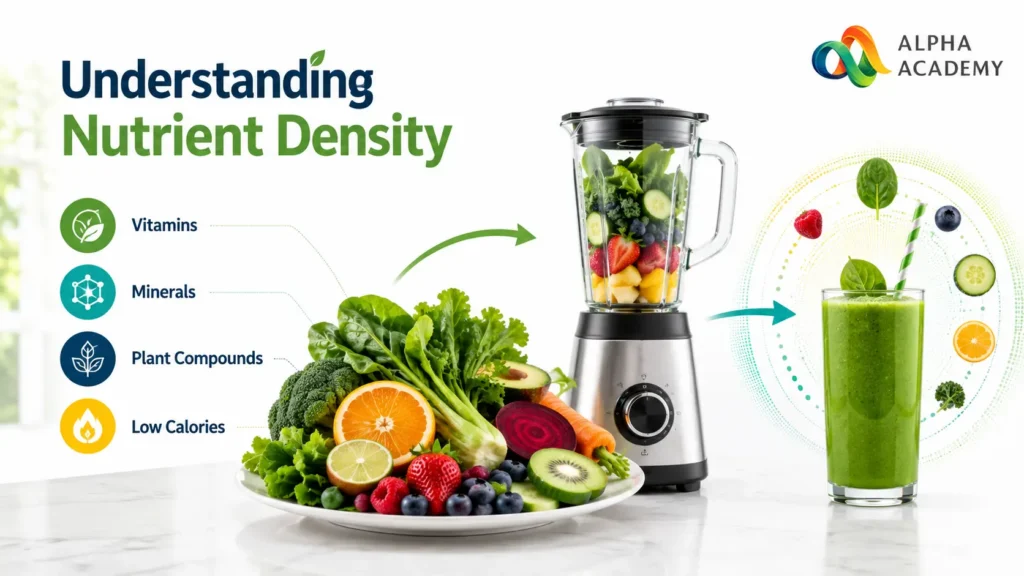
Individuals’ nutritional requirements vary dramatically throughout the lifespan and dietary plans that work in one life phase may need to be adapted for a different one. Smoothies can be particularly beneficial for younger adults aiming to build athletic fitness; these options focus more on protein along with carbohydrate rather than calcium, which can help them recover from physical activity. On the other hand, smoothies with various calcium-rich items, like fortified plant milk or leafy greens, may be more useful for older adults who want to boost their calcium intake as well as other nutrients.
Unpasteurised juice is not recommended for pregnant women as there is a slight but real risk of harmful bacteria, and so home-prepared juice should be made only with vegetables that are thoroughly washed and eaten as soon as possible, not stored for long. People with a diagnosed health condition, especially diabetes or kidney disease, should consult their GP or registered dietician before making major dietary adjustments that involve eating lots of concentrated fruit and vegetables as some health conditions should be managed by being careful with sugar, potassium or oxalate intake.
Considerations for Athletes and Active Individuals
Active individuals and amateur athletes across the UK have increasingly turned to blended smoothies as a convenient post-exercise recovery option, given the ease with which carbohydrate, protein and fluid can be combined into a single, easily digestible drink. Beetroot juice, in particular, has attracted attention within sports science circles for its nitrate content, with some research suggesting a modest improvement in exercise efficiency, though individual responses vary considerably and such claims should be treated as a potential supportive factor rather than a guaranteed performance enhancer.
Timing also plays a role often overlooked by casual gym-goers. Consuming a protein-inclusive smoothie within roughly an hour or two following resistance exercise is generally considered supportive of muscle recovery, whereas the same drink consumed several hours later loses some of this practical advantage, though it remains nutritionally valuable regardless of precise timing.
The Environmental and Ethical Dimension
Sustainability considerations increasingly influence how health-conscious consumers across the UK approach their food choices, and juicing and blending are no exception. Home juicing and blending generally produce less packaging waste than purchasing pre-made bottled juices or smoothies, particularly when produce is bought loose rather than pre-packaged in plastic.
Food waste reduction also deserves mention. Vegetable offcuts, slightly bruised fruit unsuitable for eating whole, and pulp left over from juicing can often be repurposed rather than discarded, supporting a more sustainable kitchen practice overall. Composting any unusable scraps, where a garden or council collection scheme allows, further reduces the environmental footprint associated with a regular juicing or blending habit.
Separating Genuine Wellness Advice From Online Misinformation
Social media has undoubtedly popularised juicing and blending, yet it has also spread a considerable amount of misleading or oversimplified advice. Claims promising rapid weight loss within days, promises of curing specific medical conditions through juice alone, or suggestions that a particular combination of ingredients can “detoxify” the body in ways the liver and kidneys do not already accomplish should generally be treated with healthy scepticism.
A more trustworthy approach involves checking whether claims align with guidance from recognised nutritional bodies or registered dietitians, rather than relying solely on anecdotal testimonials or influencer marketing. This is precisely the kind of critical evaluation skill that a properly accredited course aims to build in its participants, moving them from passive consumers of wellness content towards informed practitioners capable of distinguishing sound advice from exaggerated marketing claims.
Practical Signs of Genuine Progress
Rather than chasing dramatic transformations promised by online marketing, it helps to track more modest, realistic markers of progress when adopting a juicing and blending routine. Improved energy levels through the mid-morning slump, easier bowel regularity, and a general sense of eating more vegetables without conscious effort all represent meaningful, credible signs that a routine is working, even in the absence of rapid weight change.
Keeping a simple diary of ingredients used, portion sizes and how a person feels afterwards can also help identify which specific combinations genuinely suit an individual’s digestion and energy levels, since responses to particular fruits, vegetables or fibre levels can vary noticeably between different people.
Anyone reviewing their own progress should also remain mindful that plateaus are normal and do not necessarily signal failure. The body adapts gradually to dietary changes, and a period where visible results seem to stall often precedes a further shift once other lifestyle factors, such as sleep quality or activity levels, are also addressed alongside diet.
Final Thoughts on Juicing and Blending for Health: What the Science Really Says
Juicing and blending, approached with proper understanding rather than blind enthusiasm, can meaningfully support nutrient intake, digestive wellbeing, immune resilience and sustainable weight management. The evidence supports moderate, informed use far more strongly than it supports extreme detox culture or juice-only fasting. For anyone genuinely committed to using these methods to improve long-term health, rather than chasing short-lived trends, investing time in a properly structured Juicing and Blending Course offers a dependable foundation built on nutritional science rather than social media speculation.
FAQs on Juicing and Blending for Health: What the Science Really Says
While not always a strict legal requirement, food hygiene training is generally essential, and a recognised qualification from a Juicing and Blending Course significantly strengthens credibility, knowledge and customer trust compared with entering the sector without formal training.
Costs vary considerably depending on the chosen business model, with market stall or pop-up trading generally requiring the lowest initial investment compared with fixed premises, which involve considerably higher rent and equipment costs.
Yes, anyone preparing and selling food or drink to the public in the UK must register as a food business with their local authority, generally required at least twenty-eight days before trading begins.
Yes, many personal trainers and wellness coaches incorporate juicing and blending expertise into a broader coaching offering, using formal training to add credibility and evidence-based knowledge to their existing services.
Building a sustainable customer base generally takes months rather than weeks, and approaching the venture with realistic, patient expectations tends to produce more durable long-term success than expecting rapid returns.
Public liability insurance is generally essential for anyone trading food or drink to the public, and specific requirements can vary depending on trading location and format, making it worth confirming directly with the relevant local authority.
Yes, many successful practitioners begin part-time, such as trading at weekend markets, gradually expanding once demand and confidence grow, reducing financial risk compared with an immediate full-time commitment.
Employers within this sector increasingly value candidates demonstrating genuine product and nutritional knowledge, making a recognised course qualification a meaningful advantage over relying solely on general customer service experience.
It can become a genuine income stream over time, though it typically requires sustained effort in building audience trust and engagement, with formal qualifications helping distinguish credible content from unqualified wellness advice online.
A thorough course generally covers nutritional science, recipe development, food safety and hygiene practices, and practical business guidance, providing a well-rounded foundation for anyone pursuing employment, self-employment or coaching within this sector.
Recent Posts