TAKE
ALL
COURSES FOR £49
TAKE
ALL
COURSES FOR £49 1 Year Access
  12 Students
  12 hours, 40 minutes
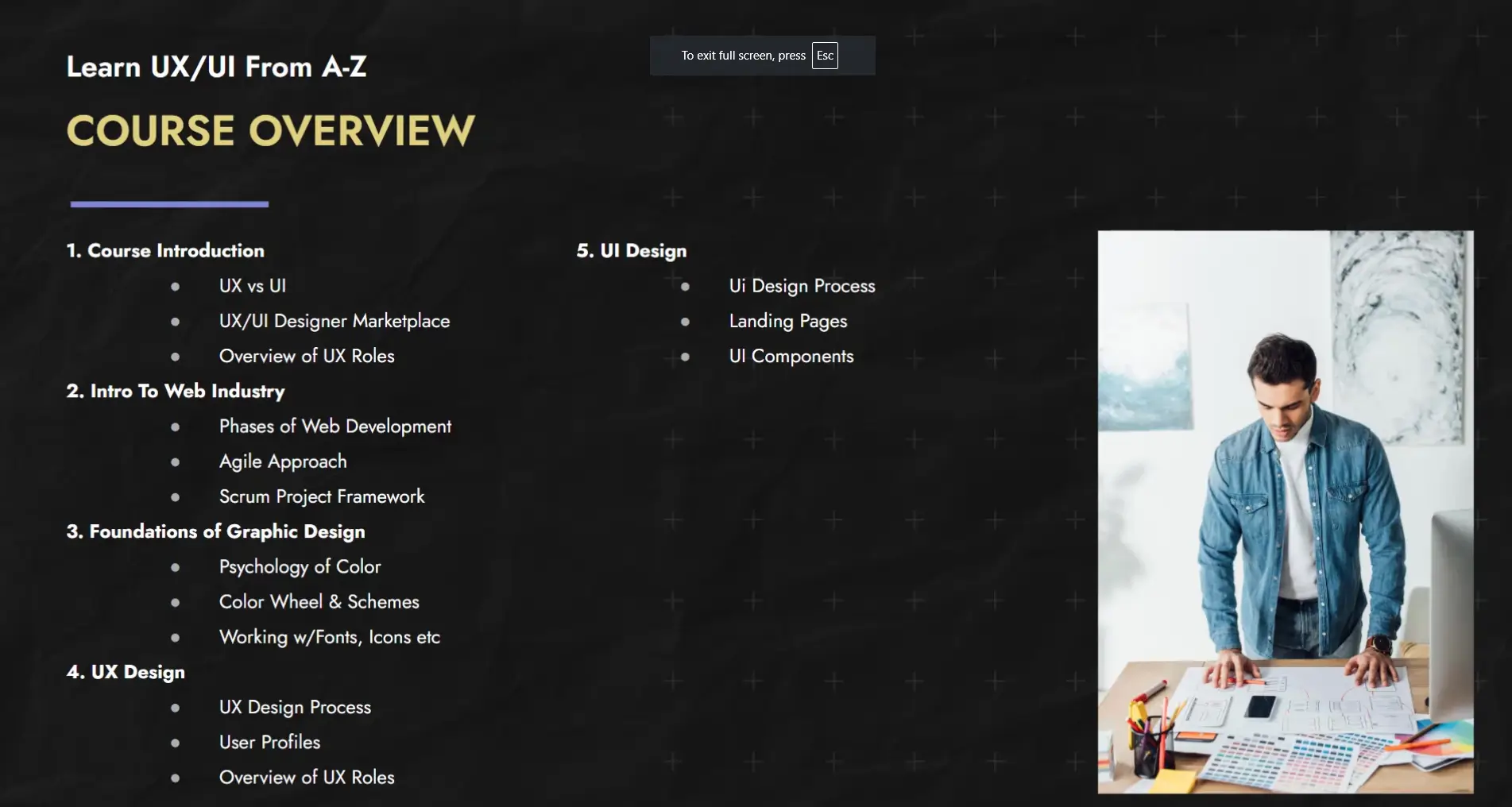
Advanced Diploma in User Experience UI/UX Design Overview
The Advanced Diploma in User Experience UI/UX Design provides comprehensive training in the essential skills and knowledge required for a career in UX/UI design. This course covers foundational principles of graphic design, user experience (UX) design, user interface (UI) design, web industry dynamics, optimization techniques, and career preparation strategies. Students will gain practical insights and hands-on experience through real-world projects and industry-relevant coursework.

Learning Outcomes
- Understand the fundamentals of graphic design and its application in UI/UX contexts.
- Develop proficiency in conducting user research and creating user personas.
- Design intuitive user interfaces that enhance user experience and satisfaction.
- Apply principles of information architecture and interaction design to create effective digital products.
- Optimise designs for various devices and screen sizes using responsive design techniques.
- Use prototyping tools to create interactive prototypes for user testing and feedback.
- Analyse usability test results and iterate designs based on feedback.
- Collaborate effectively with developers and other stakeholders in the product development lifecycle.
- Prepare a professional portfolio showcasing skills and projects to attract potential employers.
- Explore career pathways in UX/UI design and understand industry trends and job opportunities.
Who Is This Course For
This course targets individuals aspiring to enter or advance their careers in UX/UI design. It suits creative professionals, graphic designers seeking to expand their skills, web developers interested in enhancing user experience, and anyone passionate about designing intuitive digital experiences.
Eligibility Requirements
Applicants should have a basic understanding of graphic design principles and familiarity with web technologies. No prior professional experience in UX/UI design is required, but a passion for creating intuitive digital experiences is essential.
Entry Requirements
- Age Requirement: Applicants must be aged 16 or above, allowing both young learners and adults to engage in this educational pursuit.
- Academic Background: There are no specific educational prerequisites, opening the door to individuals from diverse academic histories.
- Language Proficiency: A good command of the English language is essential for comprehension and engagement with the course materials.
- Numeracy Skills: Basic numeracy skills are required for understanding nutritional data and dietary planning.
Why Choose Us
- Affordable, engaging & high-quality e-learning study materials;
- Tutorial videos/materials from the industry-leading experts;
- Study in a user-friendly, advanced online learning platform;
- Efficient exam systems for the assessment and instant result;
- The UK & internationally recognised accredited
- Access to course content on mobile, tablet or desktop from anywhere, anytime;
- The benefit of career advancement opportunities;
- 24/7 student support via email.
Career Path
Upon completion of the course, graduates can pursue roles such as UX Designer, UI Designer, Interaction Designer, User Researcher, Product Designer, UX/UI Consultant, Visual Designer, Information Architect, Usability Analyst, or Digital Product Manager in various industries.
Reviews From Our learners
Frequently Asked Questions
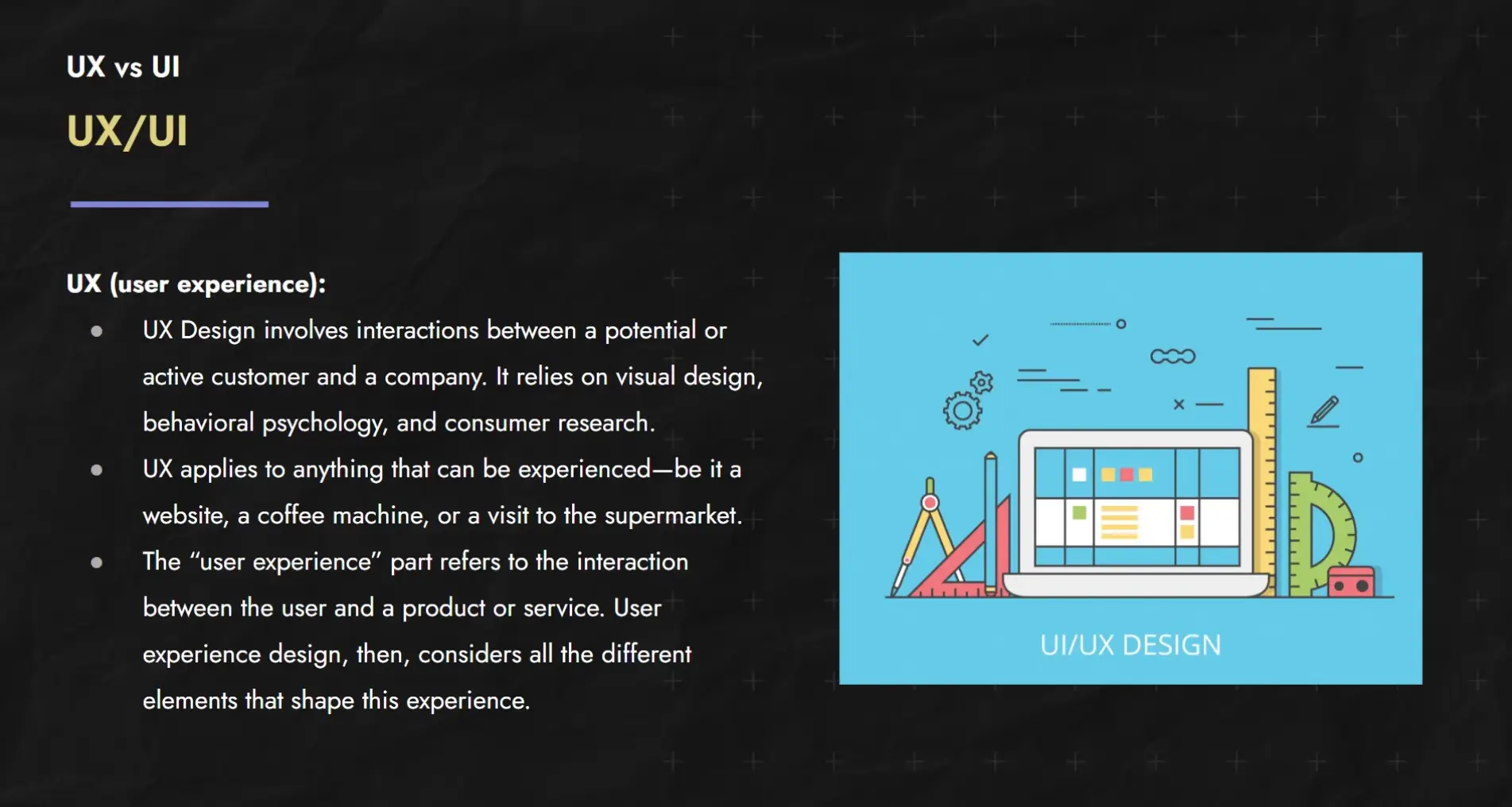
UI/UX design combines User Interface (UI) design, which focuses on how a digital product looks and interacts, with User Experience (UX) design, which focuses on how effectively and comfortably users navigate and use it. Together, they help create digital products that are both visually engaging and user-friendly.
An Advanced Diploma in UI/UX Design typically develops knowledge of user-centred design, interface design, user research, information architecture, wireframing, prototyping and usability. It provides a broader understanding of the processes involved in designing effective digital experiences.
UX design is primarily concerned with the overall user journey, usability and functionality of a digital product, while UI design focuses more on visual elements such as layouts, typography, colours, buttons and interactive components. The two disciplines work together throughout the design process.
User-centred design places the needs, behaviours and expectations of users at the heart of the design process. It involves understanding the target audience, identifying usability issues and developing digital interfaces based on how people are likely to interact with the product.
UI/UX design skills can support work on websites, mobile applications, software platforms and other digital products. They can be relevant to roles and projects involving UX design, UI design, product design, interaction design and digital experience development.