TAKE
ALL
COURSES FOR £49
TAKE
ALL
COURSES FOR £49 1 Year Access
  33 Students
  5 hours, 8 minutes
An Essential Training to Art Therapy Overview
Build essential awareness of art therapy, creative expression, mindfulness and therapeutic communication with the An Essential Training to Art Therapy course. This online art therapy course is designed to help learners understand the foundations of art therapy, including psychology, neuroscience, creative therapy, mindful creativity, art therapy techniques, drawings, reflective writing, and the use of art therapy with children, adults and families.
Whether you are interested in counselling awareness, mental health support, education, childcare, care work, wellbeing, creative therapy or personal development, this An Essential Training to Art Therapy course provides a structured introduction to key concepts surrounding creativity, emotional expression and therapeutic art practice.
The course covers important topics such as introduction to art therapy, psychology and neuroscience, art therapy in practice, creative therapy, mindful creativity through colour and creation, art therapy techniques and applications, mindfulness in art therapy, drawings, reflective writing, art therapy for children, art therapy for adults, art therapy for families, illness and art, and the role of the art therapist.
Throughout the course, you will learn how to:
- Understand the foundations of art therapy and creative expression
- Recognise how psychology and neuroscience relate to art therapy
- Develop awareness of art therapy in practical settings
- Understand creative therapy and its role in wellbeing support
- Explore mindful creativity through colour, drawing and creation
- Build knowledge of art therapy techniques and applications
- Understand how mindfulness can be used in art therapy
- Develop awareness of drawings as a form of expression and reflection
- Explore reflective writing as part of creative therapy
- Understand introductory approaches to art therapy for children, adults and families
- Build awareness of the relationship between illness, creativity and emotional wellbeing
- Develop foundational knowledge for counselling, wellbeing, care, education and creative therapy pathways
This An Essential Training to Art Therapy course is suitable for beginners, counselling learners, wellbeing learners, teachers, teaching assistants, childcare workers, care learners, creative professionals, support workers and anyone interested in art therapy, mindful creativity and emotional wellbeing.
- › Last Audited and Updated: 29th July 2026
Learning Outcomes
By the end of the An Essential Training to Art Therapy course, learners will be able to:
- Understand the basic principles of art therapy and creative expression.
- Recognise the connection between psychology, neuroscience and therapeutic creativity.
- Explain how art therapy may be used in practical wellbeing settings.
- Develop awareness of creative therapy and mindful creativity.
- Understand the use of colour, drawing and creation in emotional expression.
- Recognise different art therapy techniques and applications.
- Understand how mindfulness can support art therapy practice.
- Explore drawings and reflective writing as tools for self-expression.
- Develop awareness of art therapy approaches for children, adults and families.
- Understand how art may relate to illness, coping and emotional wellbeing.
- Recognise the role and responsibilities of an art therapist at an introductory level.
- Build foundational knowledge for further study or support-based roles in wellbeing, education, care and creative therapy awareness.
Who is This Course For
This An Essential Training to Art Therapy course is ideal for:
- Beginners interested in art therapy and creative wellbeing
- Counselling and psychology learners
- Teachers and teaching assistants
- Childcare workers and nursery assistants
- Care workers and support workers
- Mental health awareness learners
- Creative professionals interested in therapeutic art
- Parents and carers interested in child emotional expression
- Wellbeing and mindfulness learners
- Anyone interested in creativity, emotional expression and therapeutic support
This course is suitable for learners who want to gain beginner-friendly awareness before progressing into:
- Art therapy-related study
- Counselling awareness
- Mental health and wellbeing support
- Creative therapy learning
- Education and childcare support
- Care and support work
- Mindfulness and reflective practice
- Further psychology or therapeutic communication training
Why Enrol in This An Essential Training to Art Therapy Course?
This course is designed to help learners build a strong foundation in art therapy awareness, creative expression, mindfulness and emotional wellbeing.
Benefits of this course include:
- CPD Accredited Art Therapy Training
- 100% Online and Self-Paced Learning
- Covers Introduction to Art Therapy and Therapeutic Creativity
- Includes Psychology and Neuroscience Awareness
- Covers Art Therapy in Practice and Creative Therapy
- Includes Mindful Creativity, Colour and Creation
- Covers Art Therapy Techniques and Applications
- Includes Mindfulness, Drawings and Reflective Writing
- Covers Art Therapy for Children, Adults and Families
- Useful for Counselling, Education, Care, Wellbeing and Creative Therapy Pathways
Career Opportunities
Completing the An Essential Training to Art Therapy course can support learners who want to explore opportunities in art therapy awareness, creative wellbeing, counselling support, education, care, mental health support and therapeutic activity roles. The knowledge gained from this course can help learners understand creative expression, reflective practice, mindfulness, emotional wellbeing and the introductory role of art therapy in support-based environments.
Potential career opportunities include:
- Art Therapist Pathway Learner
Use this course as a foundation before progressing into recognised art therapy qualifications, supervised practice and professional registration.
Average salary: £40,000 to £57,000 for qualified art therapists.
- Creative Therapy Assistant
Support creative wellbeing activities, art-based group sessions, reflective exercises and therapeutic activity programmes under appropriate supervision.
Average salary: £20,000 to £30,000
- Wellbeing Assistant
Support wellbeing activities, self-expression exercises, mindfulness sessions and personal development programmes in care, education or community settings.
Average salary: £20,000 to £28,000
- Counsellor Pathway Learner
Use art therapy awareness as a foundation before progressing into recognised counselling qualifications, supervised practice and professional development.
Average salary: £25,000 to £48,000 for qualified counsellors.
- Mental Health Support Worker Pathway Learner
Build introductory knowledge before progressing into further mental health support training, supervised practice and care-sector experience.
Average salary: £20,000 to £28,000 depending on role, employer and experience.
- Occupational Therapy Support Worker
Support people with daily activities, independence, confidence and wellbeing under the direction of occupational therapists.
Average salary: £26,000 to £31,000
- Teaching Assistant
Support pupils’ learning, confidence, classroom participation and emotional development in education settings.
Average salary: £19,000 to £26,000
- Care Worker
Support individuals with daily routines, wellbeing, communication and access to appropriate services.
Average salary: £20,000 to £25,000
- Community Arts Assistant
Support community-based creative projects, art activities, wellbeing workshops and group participation.
Average salary: £20,000 to £28,000 depending on setting and experience.
Please note: This course provides foundation-level art therapy awareness. It does not qualify learners as art therapists, counsellors, psychotherapists, psychologists or clinical mental health professionals. Professional art therapist roles usually require recognised postgraduate-level training, supervised clinical practice and professional registration. Learners should always refer individuals with complex mental health needs to qualified professionals and appropriate support services.
Assessment Method
The An Essential Training to Art Therapy course is assessed through an online assessment process.
After completing the course modules, learners may be required to complete:
- A multiple-choice assessment
- An online test
- Knowledge-based questions related to the course topics
The assessment helps learners review key areas such as:
- Introduction to art therapy
- Psychology and neuroscience
- Art therapy in practice
- Creative therapy
- Mindful creativity
- Colour and creation
- Art therapy techniques and applications
- Mindfulness in art therapy
- Drawings
- Reflective writing
- Art therapy for children
- Art therapy for adults
- Art therapy for families
- Illness and art
- The role of the art therapist
Learners can complete the assessment online at their own pace, making the process flexible and convenient.
Eligibility Requirements
This An Essential Training to Art Therapy course is open to learners from different academic and professional backgrounds.
No previous art therapy, counselling, psychology or healthcare experience is required.
This course is suitable for learners who want to:
- Develop introductory art therapy awareness
- Understand creative expression and emotional wellbeing
- Learn about mindful creativity and reflective writing
- Build knowledge of art therapy techniques and applications
- Explore art therapy for children, adults and families
- Prepare for further counselling, wellbeing or creative therapy training
- Improve confidence in using creativity for non-clinical wellbeing awareness
Entry Requirements
- Age Requirement: Learners should be aged 16 or above.
- Academic Background: No formal academic qualification is required.
- Art Therapy Interest: An interest in art therapy, creativity, counselling, psychology or wellbeing is recommended.
- Creative Interest: An interest in drawing, colour, writing, reflection or creative expression is helpful.
- Communication Skills: Basic communication skills are useful for understanding support-based topics.
- Language Proficiency: A good understanding of English is helpful for following the course materials.
- Device Requirement: Learners will need access to a smartphone, tablet, laptop or desktop computer with an internet connection.
- Study Commitment: Learners should be prepared to complete the online lessons and assessment independently.
- Professional Awareness: Learners should understand that clinical art therapy, counselling and mental health roles require recognised qualifications, supervised practice and professional boundaries.
Why Choose Us
- Affordable, engaging and high-quality online learning materials
- Beginner-friendly art therapy course content
- Practical knowledge for creative expression, mindfulness and wellbeing awareness
- Flexible study through a user-friendly online platform
- Access course materials from mobile, tablet or desktop
- Self-paced learning suitable for busy learners
- Efficient online assessment process
- CPD accredited certificate included
- Career development and further study opportunities
- Helpful student support via email
Certification
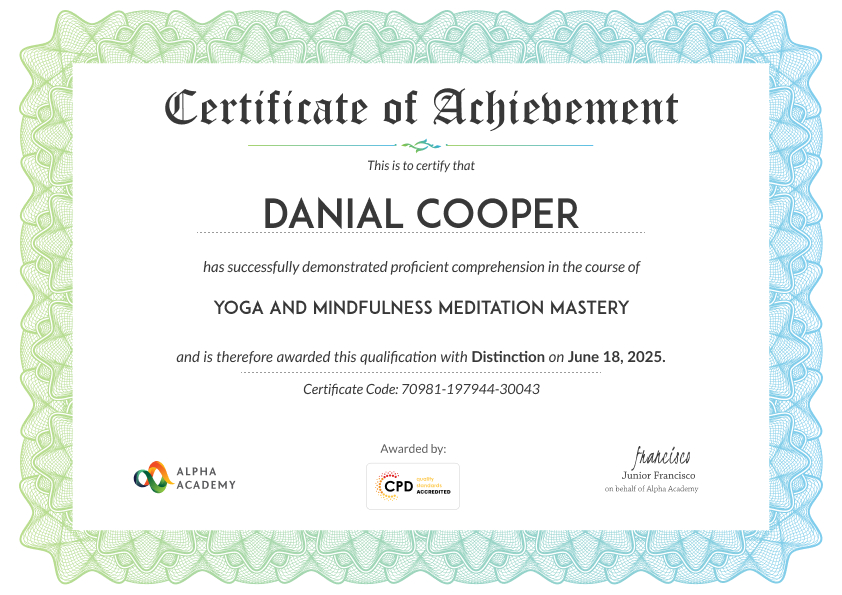
At the end of the course, you will be required to sit an online multiple-choice test. After successfully completing the final test, you will get a CPD-accredited Certificate of Achievement. The PDF Certificate is priced at £9.99 and will be emailed to you immediately. Also, a printed hardcopy certificate can be purchased for £17.99 and will be sent to your address by post.
Frequently Asked Questions
Art therapy is a therapeutic approach that uses creative processes—such as drawing, painting, and sculpting—to help individuals express emotions, reduce stress, improve self-awareness, and support emotional healing. It blends psychology, neuroscience, and artistic expression to promote well-being.
Psychology helps explain emotional expression and behavior, while neuroscience explores how the brain processes creativity and emotions. Together, they show how art-making activates calming neural pathways, supporting emotional regulation, mental clarity, and stress relief in therapy.
Reflective writing involves describing thoughts, feelings, and insights experienced during the creative process. It helps individuals understand emotional patterns, increase self-awareness, and connect meaningfully with their artwork, enhancing personal growth and therapeutic progress.
Art therapy helps children express feelings they may not have words for. It encourages communication, emotional regulation, confidence, and problem-solving skills. Creative activities make therapy engaging and safe, especially for children experiencing stress, anxiety, behavioral challenges, or trauma.
Art therapy helps adults manage stress, anxiety, grief, trauma, and emotional overwhelm by providing a non-verbal way to explore feelings. It encourages self-reflection, mindfulness, emotional processing, creativity, and personal insight, supporting overall mental and emotional well-being.

 TAKE
ALL
COURSES FOR £49
TAKE
ALL
COURSES FOR £49