TAKE
ALL
COURSES FOR £49
TAKE
ALL
COURSES FOR £49 1 Year Access
  10 Students
  6 hours, 44 minutes
Autism Awareness Overview
Build practical autism awareness, classroom support and inclusive education knowledge with the Autism Awareness course. This online autism course is designed to help learners understand Autism Spectrum Disorder, learning disabilities linked to autism, teacher awareness, cognitive approaches, classroom support strategies and autism-friendly learning environments.
The course covers Autism Spectrum Disorder, learning disabilities of children with autism, autism diagnosis awareness as a teacher, cognitive approaches to autism, dealing with autistic students and autism-friendly approaches in classroom environments.
Throughout the course, you will learn how to:
- Understand Autism Spectrum Disorder and its impact on learning
- Recognise learning disabilities that may affect children with autism
- Build awareness of autism diagnosis from an educational perspective
- Explore cognitive approaches used to understand autism
- Develop confidence in supporting autistic students
- Create more autism-friendly classroom environments
This Autism Awareness course is suitable for teachers, teaching assistants, SEN learners, childcare workers, parents, carers and anyone interested in autism support.
- › Last Audited and Updated:30th July 2026
Learning Outcomes
By the end of the Autism Awareness course, learners will be able to:
- Understand the basic features of Autism Spectrum Disorder.
- Recognise learning needs associated with autism.
- Develop awareness of autism diagnosis in education settings.
- Identify cognitive approaches to supporting autistic learners.
- Understand practical classroom support strategies.
- Build awareness of autism-friendly teaching environments.
Who is This Course For
This course is ideal for:
- Teachers and teaching assistants
- SEN support staff
- Childcare workers
- Parents and carers
- School support workers
- Education learners
- Anyone interested in autism awareness
Why Enrol in This Autism Awareness Course?
Benefits of this course include:
- CPD Accredited Autism Awareness Training
- 100% Online and Self-Paced Learning
- Covers Autism Spectrum Disorder
- Includes Autism and Learning Disabilities
- Supports Classroom Inclusion Awareness
- Useful for Teaching, SEN and Childcare Pathways
Career Opportunities
Completing this course can support learners interested in education, childcare and support-based roles.
Potential career opportunities include:
- Teaching Assistant
Support pupils in classroom activities and assist teachers with learning support.
Average salary: £19,000 to £27,000
- SEN Teaching Assistant
Support learners with special educational needs in school environments.
Average salary: £20,000 to £28,000
- Childcare Assistant
Support children’s care, play, learning and development in childcare settings.
Average salary: £18,000 to £25,000
- Learning Support Assistant
Help learners access classroom activities and develop confidence in education.
Average salary: £19,000 to £27,000
Please Note: This course provides foundation-level autism awareness. It does not qualify learners as SENCOs, psychologists, therapists or diagnostic professionals. Education and care roles may require further training, safeguarding knowledge, DBS checks or employer-specific requirements.
Assessment Method
The Autism Awareness course is assessed through an online assessment process.
After completing the course modules, learners may be required to complete:
- A multiple-choice assessment
- An online test
- Knowledge-based questions related to the course topics
Learners can complete the assessment online at their own pace.
Eligibility Requirements
This Autism Awareness course is open to learners from different academic and professional backgrounds.
No previous autism, SEN or teaching experience is required.
This course is suitable for learners who want to:
- Develop autism awareness
- Understand autistic learners’ needs
- Support inclusive classroom practice
- Progress towards further SEN or childcare training
Entry Requirements
- Age Requirement: Learners should be aged 16 or above.
- Academic Background: No formal academic qualification is required to enrol in this course.
- Language Proficiency: A good understanding of English is recommended to follow the course materials effectively.
- Device Requirement: Learners will need access to a smartphone, tablet, laptop or desktop computer with an internet connection.
- Study Commitment: Learners should be prepared to complete the online lessons and assessment independently.
Why Choose Us
- Affordable and high-quality online learning materials
- Beginner-friendly autism awareness course content
- Flexible study through a user-friendly online platform
- Efficient online assessment process
- Helpful student support via email
Certification
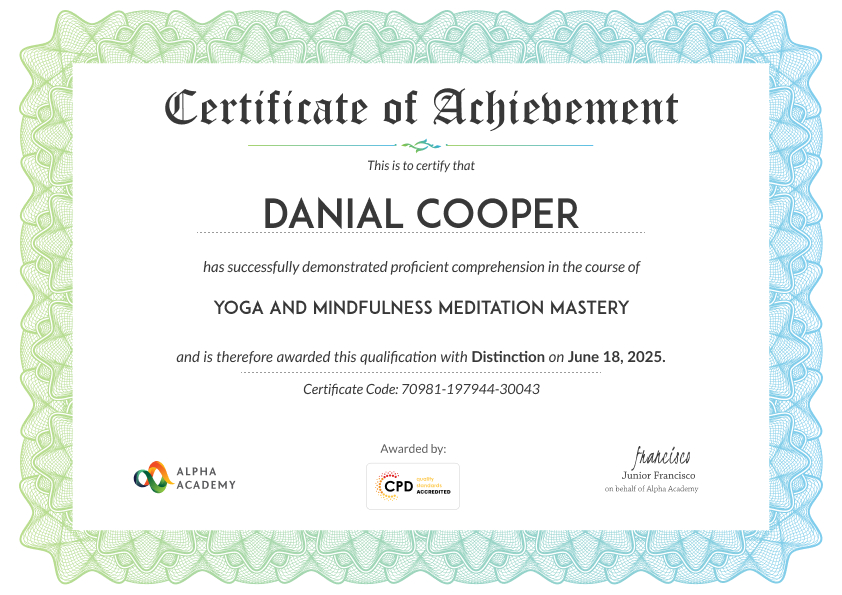
At the end of the course, you will be required to sit an online multiple-choice test. After successfully completing the final test, you will get a CPD-accredited Certificate of Achievement. The PDF Certificate is priced at £9.99 and will be emailed to you immediately. Also, a printed hardcopy certificate can be purchased for £17.99 and will be sent to your address by post.
Frequently Asked Questions
Autism Spectrum Disorder is a neurodevelopmental condition affecting communication, social interaction, behavior, and learning. It exists on a spectrum, meaning individuals experience varying strengths and challenges that require understanding, structured support, and inclusive teaching approaches.
Autism can impact attention, language development, social understanding, and information processing. Children may experience learning disabilities or unique learning styles, making tailored teaching strategies, visual aids, and consistent routines essential for effective education and progress.
Teachers can observe early indicators such as delayed communication, repetitive behaviors, limited social interaction, or sensory sensitivities. While teachers cannot diagnose autism, early recognition supports timely referrals, interventions, and better classroom support for autistic students.
Effective strategies include structured routines, clear instructions, visual supports, positive reinforcement, and individualized learning plans. Creating a calm, predictable environment helps autistic students feel secure, improve engagement, and achieve better academic and social outcomes.
Autism-friendly classrooms minimize sensory overload, use visual schedules, allow flexible seating, and encourage inclusive communication. These adjustments support emotional regulation, reduce anxiety, and promote learning success for students with autism spectrum disorder.

 TAKE
ALL
COURSES FOR £49
TAKE
ALL
COURSES FOR £49