TAKE
ALL
COURSES FOR £49
TAKE
ALL
COURSES FOR £49 1 Year Access
  47 Students
  2 hours, 31 minutes
The Complete SQL Training Overview
The Complete SQL Training is an extensive programme designed to provide a thorough understanding of SQL, the foundational language for managing and querying databases. This course covers a range of topics from the basics of database structures to more advanced SQL functionalities. You will gain hands-on experience with SQL functions, clauses, and joins, equipping you with the skills needed to handle complex data operations and queries. Whether you’re looking to start a career in database management or enhance your existing skills, this course offers a comprehensive pathway to mastering SQL.
Learning Outcomes Of Complete SQL Training
- Understand the fundamental concepts of databases and SQL.
- Learn how to create and manage database constraints to ensure data integrity.
- Apply various SQL functions to perform calculations and data manipulations.
- Utilise SQL clauses effectively to filter and organise query results.
- Modify existing database structures using SQL ALTER statements.
- Implement and understand different types of SQL joins and relationships between tables.
- Use wildcards to perform flexible searches within your database.
- Explore advanced SQL topics to handle complex data queries and operations.
- Develop practical skills through hands-on exercises and real-world scenarios.
- Build a strong foundation for further learning in database management and analytics.
Who Is This Course For Complete SQL Training
This course suits individuals who want to build a solid foundation in SQL, whether you’re starting out or looking to refresh your skills. It targets those aiming to work with databases, including data analysts, database administrators, and software developers. If you want to enhance your ability to manage and query data, you will find this course highly beneficial.
Eligibility Requirements
Participants should have a basic understanding of computer systems and a keen interest in data management. Prior experience with programming or databases is not required, but familiarity with general IT concepts can be beneficial. This course is suitable for anyone looking to gain practical SQL skills for career advancement.
Entry Requirements
- Age Requirement: Applicants must be aged 16 or above, allowing both young learners and adults to engage in this educational pursuit.
- Academic Background: There are no specific educational prerequisites, opening the door to individuals from diverse academic histories.
- Language Proficiency: A good command of the English language is essential for comprehension and engagement with the course materials.
- Numeracy Skills: Basic numeracy skills are required for understanding nutritional data and dietary planning.
Why Choose Us
- Affordable, engaging & high-quality e-learning study materials;
- Tutorial videos/materials from the industry-leading experts;
- Study in a user-friendly, advanced online learning platform;
- Efficient exam systems for the assessment and instant result;
- The UK & internationally recognised accredited
- Access to course content on mobile, tablet or desktop from anywhere, anytime;
- The benefit of career advancement opportunities;
- 24/7 student support via email.
Career Path
Upon completing The Complete SQL Training, you will be ready to pursue various roles in the tech industry. With your SQL skills, you can take on positions such as data analyst, database administrator, or business intelligence developer. This course also lays the foundation for advanced career paths in data science and database management, allowing you to specialise further in these fields.
Certification
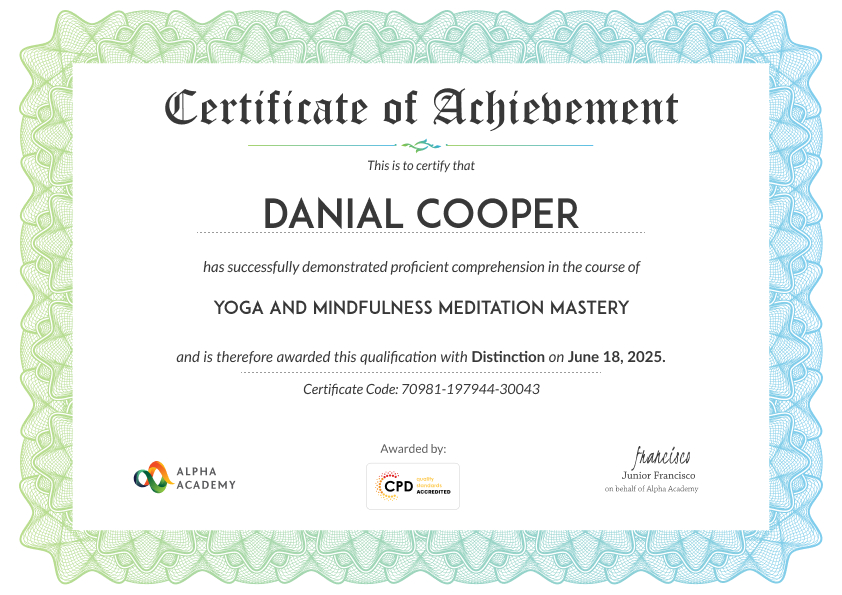
At the end of the course, you will be required to sit an online multiple-choice test. After successfully completing the final test, you will get a CPD-accredited Certificate of Achievement. The PDF Certificate is priced at £9.99 and will be emailed to you immediately. Also, a printed hardcopy certificate can be purchased for £17.99 and will be sent to your address by post.
Reviews From Our learners
Frequently Asked Questions
SQL (Structured Query Language) is used to manage and manipulate relational databases. It allows users to retrieve, update, and organize data efficiently, making it essential for database management, data analysis, and backend development.
Learning SQL online involves step-by-step practice with databases, tables, queries, joins, and functions. Combining theory with exercises, real-world examples, and hands-on projects ensures a strong understanding of SQL for career or personal projects.
SQL joins combine data from multiple tables based on related columns. Inner joins, left/right joins, and unions help analyze relationships, generate reports, and integrate datasets efficiently for advanced database management.
SQL functions and clauses, such as aggregate functions, WHERE, GROUP BY, ORDER BY, and DISTINCT, allow filtering, grouping, and sorting data. They optimize queries for analysis and reporting, making database interactions more powerful.
Advanced SQL features include views, triggers, stored procedures, indexes, and user-defined functions. Mastering these concepts enhances database performance, automates tasks, and allows complex operations for professional and enterprise-level database management.

 TAKE
ALL
COURSES FOR £49
TAKE
ALL
COURSES FOR £49