TAKE
ALL
COURSES FOR £49
TAKE
ALL
COURSES FOR £49 1 Year Access
  786 Students
  14 hours, 10 minutes
Logistics and Supply Chain Management Skills Training Diploma Overview
Build practical logistics, supply chain structure, risk management and lean supply chain knowledge with the Logistics and Supply Chain Management Skills Training Diploma. This online logistics and supply chain course is designed to help learners understand how supply chains operate, how they evolve, how supply chain drivers affect business performance and how supply chain strategies can support efficiency, sustainability and long-term growth.
The course covers getting started, the evolution of the supply chain, basic supply chain structure, supply chain drivers, aligning supply chains with business strategy, managing supply chain risks, tracking and evaluating supply chain data, troubleshooting supply chain problems, sharing supply chain activities, sustainable supply chain strategies, applying lean techniques and the future of supply chain management.
Throughout the course, you will learn how to:
- Understand the foundations of logistics and supply chain management
- Recognise how supply chains have evolved over time
- Identify the basic structure of a supply chain
- Explore key supply chain drivers
- Understand how supply chain strategy supports business goals
- Build awareness of supply chain risk management
- Learn how supply chain data can be tracked and evaluated
- Develop awareness of troubleshooting supply chain problems
- Explore sustainable supply chain strategies
- Understand how lean techniques can support supply chain improvement
- Build foundational knowledge for logistics, procurement, operations and supply chain pathways
This Logistics and Supply Chain Management Skills Training Diploma is suitable for beginners, logistics learners, warehouse learners, procurement learners, supply chain assistants, business administration learners, operations learners and anyone interested in supply chain management.
Learning Outcomes
By the end of the Logistics and Supply Chain Management Skills Training Diploma, learners will be able to:
- Understand the basic principles of supply chain management.
- Recognise the structure and evolution of supply chains.
- Identify key supply chain drivers.
- Understand how supply chains align with business strategy.
- Develop awareness of supply chain risk management.
- Track and evaluate introductory supply chain data.
- Recognise common supply chain problems and improvement methods.
- Understand sustainable and lean supply chain strategies.
- Build foundational knowledge for logistics, procurement and operations roles.
Who is This Course For
This course is ideal for:
- Beginners interested in logistics and supply chain management
- Warehouse assistants and warehouse learners
- Procurement and purchasing learners
- Supply chain support learners
- Operations learners
- Business administration learners
- Retail and stock control learners
- Anyone interested in logistics, procurement or supply chain pathways
Why Enrol in This Logistics and Supply Chain Management Skills Training Diploma?
Benefits of this course include:
- CPD Accredited Logistics and Supply Chain Training
- 100% Online and Self-Paced Learning
- Covers Supply Chain Structure and Evolution
- Includes Supply Chain Drivers and Business Strategy Alignment
- Covers Supply Chain Risk Management
- Includes Supply Chain Data Tracking and Evaluation
- Covers Troubleshooting and Lean Supply Chain Techniques
- Includes Sustainable Supply Chain Strategy Awareness
- Useful for Logistics, Procurement, Warehouse, Operations and Supply Chain Pathways
Career Opportunities
Completing this course can support learners interested in logistics, supply chain, procurement, warehouse operations and business operations pathways.
Potential career opportunities include:
- Logistics Assistant
Support deliveries, stock movement, transport coordination, records and day-to-day logistics administration.
Average salary: £22,000 to £32,000 - Supply Chain Assistant
Support supply chain teams with supplier records, inventory reports, stock movement and delivery coordination.
Average salary: £22,000 to £32,000 - Warehouse Administrator
Support warehouse records, stock documentation, delivery notes and operational communication.
Average salary: £21,000 to £30,000 - Procurement Assistant
Support purchasing activities, supplier communication, order tracking and procurement documentation.
Average salary: £21,000 to £30,000 - Operations Assistant
Support business operations, workflow tracking, process improvement and coordination tasks.
Average salary: £22,000 to £32,000 - Supply Chain Manager Pathway Learner
Use this course as a foundation before progressing into advanced supply chain management training and workplace experience.
Average salary: £28,000 to £50,000 depending on sector, level and experience.
Assessment Method
The Logistics and Supply Chain Management Skills Training Diploma is assessed through an online assessment process.
After completing the course modules, learners may be required to complete:
- A multiple-choice assessment
- An online test
- Knowledge-based questions related to the course topics
Learners can complete the assessment online at their own pace, making the process flexible and convenient.
Eligibility Requirements
This course is open to learners from different academic and professional backgrounds.
No previous logistics or supply chain experience is required.
This course is suitable for learners who want to:
- Develop logistics and supply chain awareness
- Understand supply chain structure, risks and drivers
- Build operations, procurement and warehouse knowledge
- Progress towards further logistics or supply chain management training
Entry Requirements
- Age Requirement: Learners should be aged 16 or above.
- Academic Background: No formal academic qualification is required to enrol in this course.
- Language Proficiency: A good understanding of English is recommended to follow the course materials effectively.
- Device Requirement: Learners will need access to a smartphone, tablet, laptop or desktop computer with an internet connection.
- Study Commitment: Learners should be prepared to complete the online lessons and assessment independently.
Why Choose Us
- Affordable and high-quality online learning materials
- Beginner-friendly logistics and supply chain course content
- Practical knowledge for supply chain structure, risk, data and lean improvement awareness
- Flexible study through a user-friendly online platform
- Efficient online assessment process
- Helpful student support via email
Certification
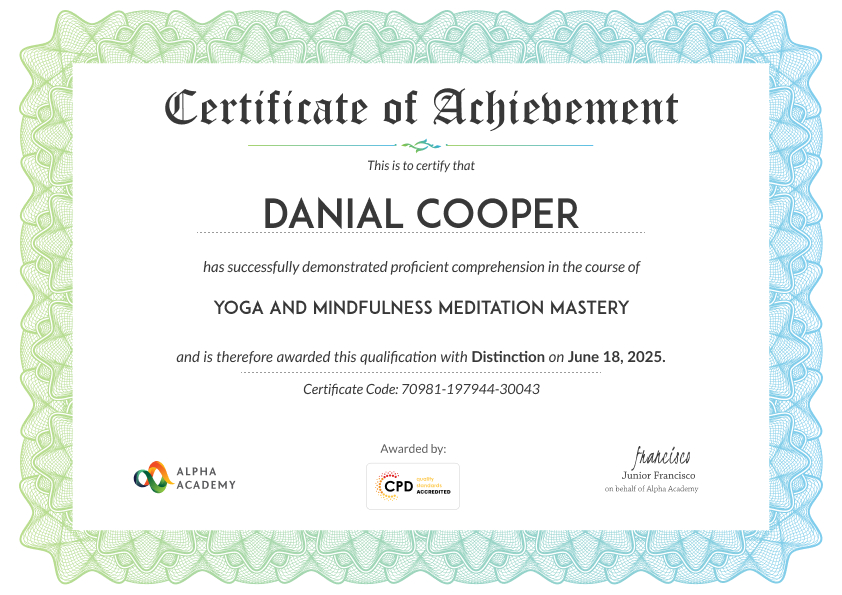
At the end of the course, you will be required to sit an online multiple-choice test. After successfully completing the final test, you will get a CPD-accredited Certificate of Achievement. The PDF Certificate is priced at £9.99 and will be emailed to you immediately. Also, a printed hardcopy certificate can be purchased for £17.99 and will be sent to your address by post.
Frequently Asked Questions
Logistics and supply chain management involves planning, sourcing, purchasing, storing, and distributing goods efficiently. It focuses on aligning supply chain activities with business strategy to reduce costs, improve customer service, and increase overall operational performance.
Key supply chain management skills include inventory control, purchasing, warehouse operations, data analysis, risk management, and continuous improvement. Strong communication, problem-solving, and strategic planning skills are essential for successful logistics and supply chain careers.
Effective inventory management ensures optimal stock levels, reduces waste, prevents stockouts, and improves order fulfillment. Accurate tracking, demand forecasting, and warehouse processes help organizations lower costs while maintaining reliable supply chain performance.
Supply chain risks include supplier disruptions, demand fluctuations, inventory inaccuracies, transportation delays, and data errors. Proactive risk analysis, supplier diversification, performance tracking, and contingency planning help minimize operational and financial impact.
Continuous improvement enables supply chains to adapt to change, eliminate inefficiencies, and improve productivity. By identifying improvement areas, implementing lean techniques, and reviewing performance, organizations achieve sustainable growth and long-term supply chain resilience.

 TAKE
ALL
COURSES FOR £49
TAKE
ALL
COURSES FOR £49