TAKE
ALL
COURSES FOR £49
TAKE
ALL
COURSES FOR £49 1 Year Access
  271 Students
  2 hours, 18 minutes
Speech and Language Therapy: Communication Disorders Overview
Speech and Language Therapy plays a vital role in helping people who struggle to communicate clearly. Whether it’s children with speech delays or adults recovering from strokes, effective therapy can make a big difference in daily life. This speech and language therapy course is designed to give you a full picture of what is speech and language therapy, the different types of communication disorders, and how trained professionals help both children and adults improve their communication skills.
In this course, you’ll learn how to recognise speech and language challenges, understand the causes, and explore how therapy sessions are planned and delivered. You’ll also get insights into modern diagnostic tools and therapy strategies that speech therapists use in different age groups. From language delays in children to aphasia in adults, this course covers a wide range of common conditions and support approaches.
You’ll also study the links between literacy and language development, and how early speech therapy can boost educational and social outcomes. Module by module, you’ll gain useful knowledge that can help you support others—or explore a rewarding career in speech therapy. If you’re curious about speech and language therapy masters or simply want to make a difference in people’s lives, this course is a perfect first step.
- › Last Audited and Updated: 24th July 2026
Learning Outcomes
- Identify different types of communication disorders in children and adults.
- Understand the causes and symptoms of speech and language issues.
- Explain the role of a speech and language therapist in treating disorders.
- Outline common child communication disorders such as stammering and speech delays.
- Recognise adult communication problems, including post-stroke conditions.
- Learn how speech therapy can help overcome various language challenges.
- Understand the process of diagnosing communication disorders.
- Explore techniques used in therapy sessions to support language development.
- Connect literacy skills with early language learning and development.
- Apply basic support strategies in everyday interactions.
Who Is This Course For
This course is ideal for anyone who wants to learn more about how communication disorders affect people and how therapy can help. It suits parents, teaching assistants, carers, SEN workers, and support staff. If you’re exploring a career in speech and language therapy, this is a helpful starting point. It’s also great for people thinking about taking a speech and language therapy masters in the future.
Eligibility Requirements
There are no formal requirements to join this course. A good level of spoken and written English is helpful. Anyone with an interest in speech and language therapy or working with individuals who have communication difficulties is welcome.
Entry Requirements
- Age Requirement: Applicants must be 16 or older, making the course accessible to both young learners and adults.
- Academic Background: No prior qualifications required, open to all backgrounds.
- Language Proficiency: A good understanding of English is essential, as all lessons are in English.
- Numeracy Skills: Basic writing and numeracy skills are needed to follow the course content.
Why Choose Us
- Affordable, engaging & high-quality e-learning study materials;
- Tutorial videos/materials from the industry-leading experts;
- Study in a user-friendly, advanced online learning platform;
- Efficient exam systems for the assessment and instant result;
- The UK & internationally recognised accredited
- Access to course content on mobile, tablet or desktop from anywhere, anytime;
- The benefit of career advancement opportunities;
- 24/7 student support via email.
Career Path
Completing this course opens the door to various support roles in healthcare, education, or special needs settings. It can lead to jobs in schools, clinics, or care homes and helps lay the foundation for advanced training in speech therapy or communication support work.
Course Sneak Peeks
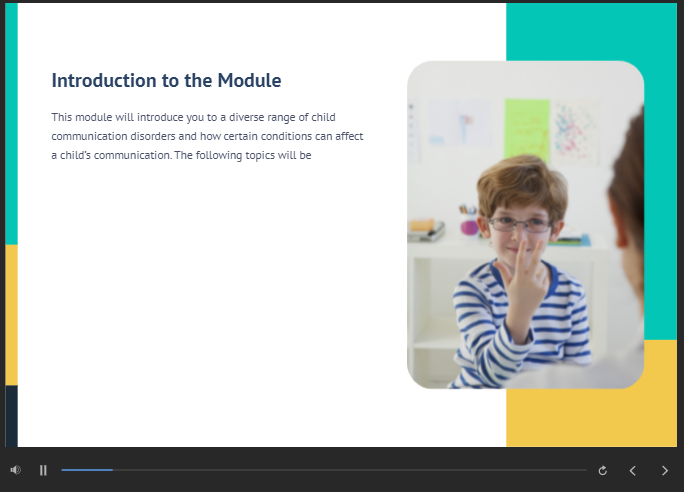
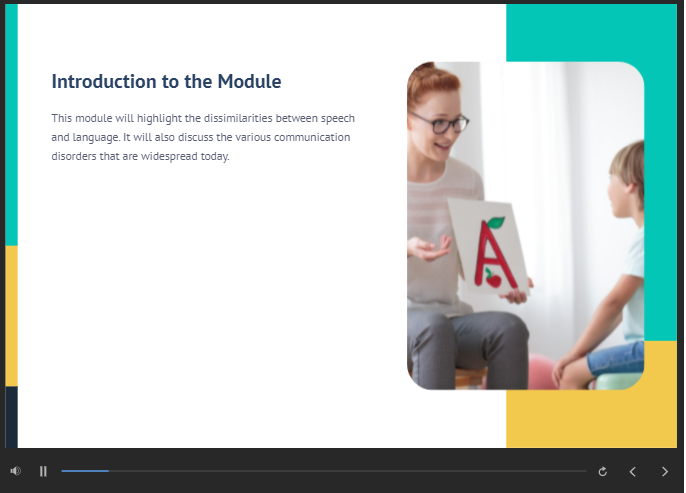
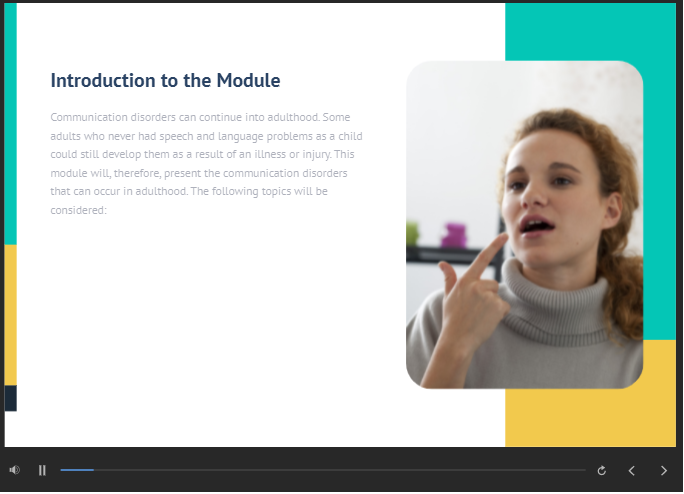
Frequently Asked Questions
Communication disorders involve difficulties in speaking, understanding, reading, or writing. Speech therapy addresses these challenges through assessment, targeted exercises, and strategies to improve communication, language development, and social interaction for both children and adults.
Children benefit from early intervention using speech therapy techniques such as articulation exercises, language games, and listening activities. Regular practice and support at home and school help develop speech clarity, vocabulary, and confidence in communication.
Adults may experience speech or language difficulties due to stroke, brain injury, or neurological conditions. Therapy focuses on improving articulation, language comprehension, cognitive-communication skills, and social interaction to enhance daily functioning and independence.
Speech therapy treats language disorders by assessing deficits, creating individualized plans, practicing articulation and comprehension exercises, and monitoring progress. Therapy improves vocabulary, grammar, and conversational skills, enabling clearer and more effective communication.
Literacy skills such as reading and writing support language development by reinforcing vocabulary, sentence structure, and comprehension. Speech therapy integrates literacy exercises to strengthen overall communication, cognitive development, and academic performance in children and adults.

 TAKE
ALL
COURSES FOR £49
TAKE
ALL
COURSES FOR £49