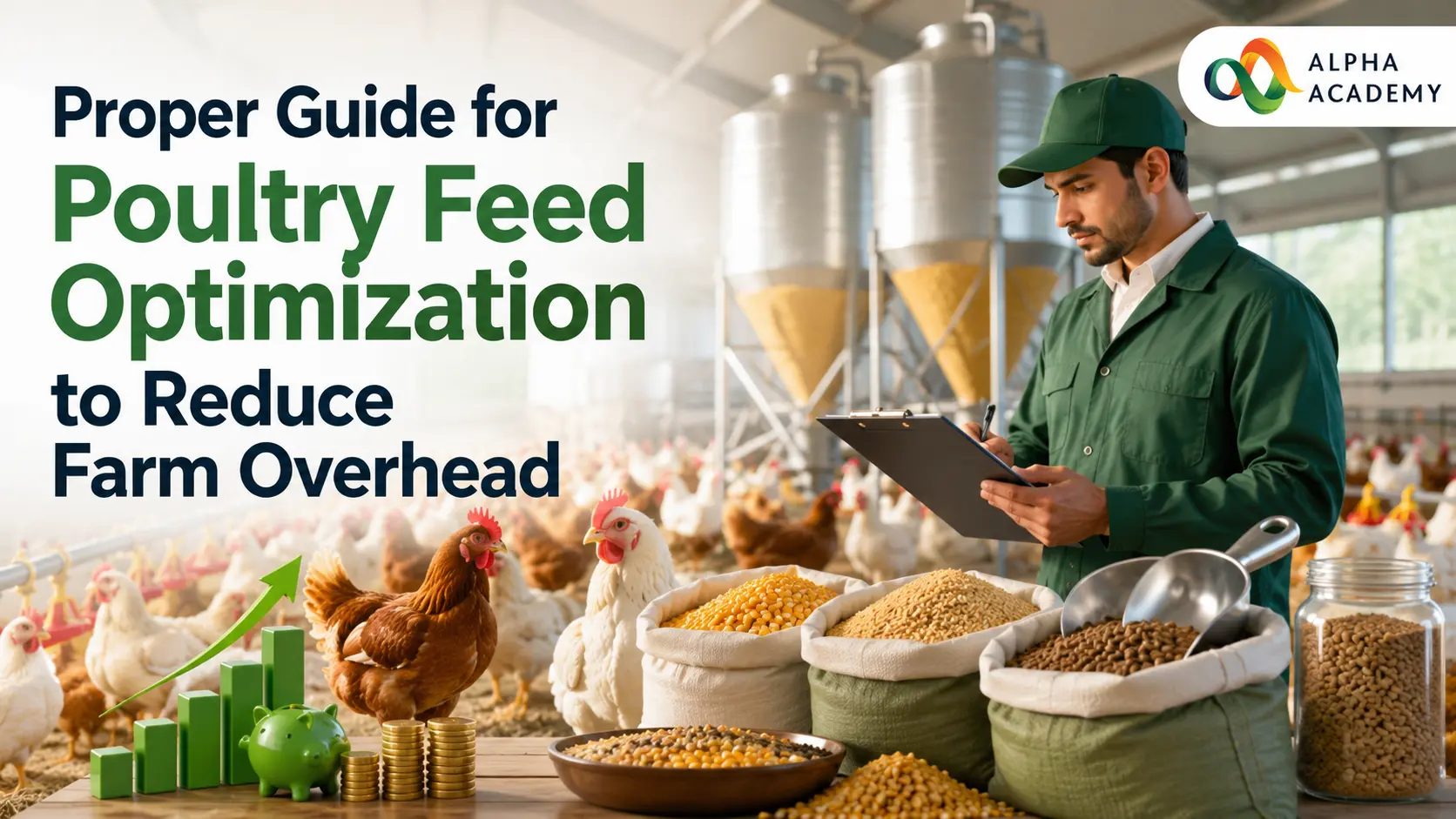
Every poultry farmer knows feed doesn’t come cheap ,but not everyone realises just how much cash gets quietly lost through the way we handle it day to day. It’s almost never just the price per bag that eats into your profit. Small things: feed getting spilt or going off, putting it out at the wrong times, or using a mix that doesn’t quite match what your birds need ,all push costs up bit by bit, without you even noticing. Over weeks and months, those little losses add up, hitting how fast they grow, how many eggs they lay, and what you take home at the end.
Optimising feed isn’t about skimping ,it’s about doing things smarter. The whole point is making sure every scrap gives your flock all the goodness it can, while wasting as little as possible. Even fairly simple changes to how you feed them can make a real difference: less waste, healthier birds, and better results all round. This guide shares practical ways to cut those hidden costs, help your flock get more from every meal, and build a farm that runs well and keeps making money for years to come.
Table of Contents
Level 3 Diploma in Poultry Farming
Where Most Feed Money Actually Goes To Waste
Before you change anything, it helps to see exactly where your cash is disappearing.
Overfeeding is the biggest single leak. Many fill troughs right to the top each day, thinking more must be better. But birds pick out the bits they like and kick the rest onto the floor ,sometimes throwing away 20 percent or more of what you buy. Using the same mix for chicks, growing stock and layers is another common mistake: young birds need extra protein, adults need different balances, and giving the wrong feed wastes nutrients and slows growth.
Buying through too many middlemen, storing feed badly so it goes damp or gets eaten by rodents, and failing to adjust for hot spells or wet weather all add up too. Even small losses every day turn into huge sums by the end of the year.
Match Feed Exactly To Age And Purpose
One single feed mix will never work for every stage of life. Getting this right is the fastest way to stop throwing money away.
Chicks up to six weeks old need high protein to build strong bones and bodies ,skimp here and they will never reach their full size later. From six to 18 weeks, growers need less protein but more minerals to prepare them for laying or finishing. Layers need steady calcium and energy to keep producing eggs without draining their own condition. Meat birds follow their own timeline, with different rations for starter, grower and finisher stages.
Mix these up, and you either pay for nutrients your birds cannot use yet, or you hold them back so they take longer to hit target weight or lay consistently. Either way, you lose out.
Adjust For Weather And Seasons
Hot spells, sticky humidity, and wetter months all change exactly what your birds need and hardly anyone tweaks their routine to match.
When it’s really warm, birds naturally eat less, but they still need all the key nutrients they’d get normally. If you keep feeding the same standard mix, they’ll end up short on what they need to grow well or lay consistently. Instead, you can bump up protein and calcium a little, and cut down on extra grains that just create more heat inside their bodies. When the weather turns cooler, they burn more energy just to stay warm, so adding a touch more wheat or barley makes sense ,no need to waste expensive protein on extra heat.
Rain and damp also make feed go off much faster once you’ve opened it. In wetter spells, buy smaller batches, stack bags up off cold floors, and never leave feed sitting in troughs overnight.
Use Suitable Local Ingredients Alongside Commercial Mixes
You do not have to buy every single part of your ration from large suppliers. Many useful ingredients are widely available and cost far less.
Wheat, barley, rapeseed meal, sunflower extract, fishmeal and dried forage are all easy to source across most areas. You can also use things like clean dried grass, seaweed meal or good quality leafy greens ,these add vitamins and cut down how much concentrated feed you need to buy.
Always check anything you use is clean, dry and free from mold. Mouldy feed causes slow growth and illness, which costs far more than you will ever save. If you are unsure how to blend your own, start by swapping just 10 or 15 percent of your usual feed for local alternatives and watch how your birds perform.
| Feed Option | Approx. Cost Per Kg (£) | Best Used For | Main Benefit |
|---|---|---|---|
| Complete Commercial Feed | £0.35–£0.55 | Beginners, small flocks | Ready balanced, consistent quality |
| Part-Blended Local Mix | £0.28–£0.40 | All flock sizes | Cuts costs by roughly 20–25% |
| Fully Home-Mixed Ration | £0.22–£0.32 | Medium/large units | Lowest ongoing cost with careful sourcing |
| Seasonal Supplement Blend | £0.18–£0.28 | Winter/hot weather | Matches nutrient needs at different times of year |
Cut Waste Right At The Trough
Even the best‑balanced ration in the world is useless if half of it ends up on the floor or rotting in a bag.
- Use troughs set level with the birds’ backs so they cannot stand in feed or kick it out
- Fill them only halfway, topping up two or three times a day rather than leaving them full all the time
- Block gaps in stores and keep bags sealed tight to stop rats and wild birds getting in
Check troughs each evening. If there is wet or leftover feed, remove it straight away ,do not leave it until morning. Over time, these small changes can cut total feed use by 15 percent or more.
Time Your Feeding To Suit Your Flock
When you put out matters almost as much as what you actually give them.
In hotter weather, serve it early morning before the day warms up, then again late afternoon once things start to cool off. Birds eat most eagerly at these times, so less gets left sitting around going off. For laying hens, adding extra calcium late in the day gives them exactly what they need to build strong eggshells overnight.
Don’t tip all the feed in one go or let it sit there for hours on end. Smaller, regular portions keep their digestion steady, cut down waste, and make sure every bit of feed gets used well.
Test Changes Slowly Before Switching Fully
Never completely overhaul your feed system overnight ,you can upset gut health and cause bigger problems.
Try any new mix or ingredient with just 10 or 20 birds first. Watch intake, weight gain, egg output and droppings for two weeks. If everything looks good, roll it out gradually to the rest of the flock. If not, you have only wasted a small amount of feed rather than a whole batch.
This is also the best way to find what works for your specific set‑up ,every farm is different, and what suits one unit may not fit yours exactly.
Buy Smart And Store Feed Properly
How you buy and look after your feed makes a bigger difference to your final costs than most people realise.
Buy larger amounts when prices dip usually just after harvest ,but only do this if you’ve got somewhere dry and secure to keep it. It’s also well worth teaming up with other local farmers to place bigger orders; suppliers almost always give better prices for bulk buys, and you can split the stock between you.
Always stack bags up on wooden pallets ,never straight onto concrete or bare earth. Leave a little space around the piles so air can move freely. Check regularly for damp or any sign of going off, and always use up older bags first before opening fresh ones.
What You Should Never Cut To Save Money
There are some things you simply cannot compromise on doing so will cost you far more further down the line.
Adequate protein for growing stock, enough calcium for layers, and constant access to clean drinking water are non‑negotiable. If birds go short of water, they will stop eating properly and laying eggs within days. Steer clear of unknown low‑cost mixes that claim to be complete but are mostly filler with little real nutrition ,always check the label or ask someone you trust in the trade.
Sometimes paying a little more for consistent quality works out cheaper overall, because your birds stay healthy and perform reliably.
Conclusion
Optimising feed is not about finding one magic fix. It is about fixing small avoidable losses, matching rations to what your birds actually need, using what is available locally, and storing things properly.
Most producers can cut their feed bill by 20 to 30 percent without losing a single egg, slowing growth, or risking flock health. You do not need expensive equipment or specialist training to get started. Pick just one or two changes from this guide to try this week, and you will notice the difference in your next set of costs.
Frequently Asked Questions on A Proper Guide for Poultry Feed Optimization to Reduce Farm Overhead
Poultry feed optimisation is the process of providing birds with the right balance of nutrients while reducing unnecessary feed waste and costs. It aims to improve feed efficiency, support healthy growth, and increase overall farm productivity.
Feed is one of the largest operating costs in poultry farming. Optimising feed helps improve feed conversion, reduce waste, maintain bird health, and lower overall farm overhead without compromising performance.
You can reduce feed costs by using nutritionally balanced diets, storing feed correctly, preventing wastage, adjusting feed programmes to different growth stages, and regularly monitoring flock performance to identify inefficiencies.
Yes. High-quality feed provides the nutrients birds need for healthy growth, egg production, and disease resistance. Poor-quality or unbalanced feed can reduce productivity, increase health problems, and raise production costs.
Feed efficiency is affected by bird genetics, age, feed quality, water availability, housing conditions, flock health, environmental management, and feeding practices. Optimising these factors helps birds convert feed into growth or egg production more effectively.
Yes. Effective feed management can significantly reduce waste, improve feed conversion ratios, minimise unnecessary spending, and increase overall farm efficiency, helping to lower operating costs over time.
Poultry feed should be stored in a clean, dry, cool, and pest-free environment. Proper storage protects feed quality, prevents contamination, and reduces spoilage, ensuring birds receive consistent nutrition.
Yes. Feed optimisation benefits both broiler and layer operations. Although their nutritional requirements differ, both can benefit from feeding programmes tailored to their age, production stage, and performance goals.
A Poultry Feed Optimisation course typically covers poultry nutrition, feed formulation principles, feeding programmes, feed storage, waste reduction, feed efficiency, cost control, and strategies for improving flock performance.
This course is suitable for poultry farmers, farm managers, agricultural workers, aspiring poultry producers, and anyone looking to improve feed efficiency, reduce production costs, and maximise the profitability of a poultry enterprise.
Recent Posts