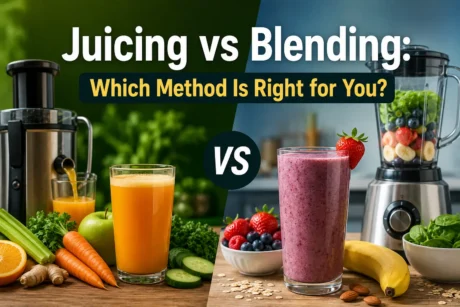

As more people seek to turn their passion for health and wellbeing into a viable business, searches for how to start a juice bar business UK, juicing certification online and nutrition side hustle ideas have increased over the years. In recent years, the UK health food industry has come a long way and now stands as a solid and growing business with independent juice bars as well as mobile smoothies and wellness coaching services all over cities and towns across the country. This article explores the viable options open to anyone who is thinking about making this transition, and the reasons behind the fact that the majority of courses offer a formal route of study into any credible career or business opportunity in this field will generally provide the basis for this.
Table of Contents
Juicing and Blending Course
Start learning how to create fresh juices, smoothies, and blended drinks with simple techniques, ingredient guidance, and practical recipes.
Understanding the UK Wellness and Juice Bar Market
Cold-pressed juice, smoothie bowls and functional (wellness) drinks have come a long way to be a staple in most large towns and cities in the UK, and are now available in supermarkets, independent cafés and specialty juice bars. Frequent reports in the industry have indicated that consumers’ desire for quick, health-conscious food and drink has increased significantly in recent years, as public awareness and interest in preventative health has risen, alongside digestive health and natural energy boosters rather than pharmaceutical or artificially sweetened alternatives.
The expansion has opened up real possibilities for those interested in the field, whether they want to work for an established juice bar or wellness café, start their own mobile or market-stall business or establish their own nutrition brand and cookbook. These differences in each pathway mean that there are unique requirements which must be understood early to avoid wasted time and misplaced investment.

Career Pathway One: Employment Within the Wellness Food Sector
Genuine product knowledge is the kind of thing many juice bars, health cafes and hospitality businesses who offer a healthy gastronomic experience look for in their staff. Job opportunities in this field are growing in becoming interested in candidates who have an understanding of nutritional balance, sourcing of ingredients, food safety, and recipe development; instead of viewing juice and smoothie making as a simple task with no training.
After completion of a structured Juicing and Blending Course, an individual who has achieved a recognised qualification is differentiating themselves on any Job Application in and around this competitive and rewarding sector, and it shows that they are committed to and competent in this field, rather than just interested in healthy eating.
Roles Beyond the Counter
There are opportunities beyond just serving the customer directly. The development of recipes is another growing opportunity, as juice bars try to distinguish themselves to build a loyal customer base and are looking for people with a working knowledge of flavour balancing, nutritional labelling requirements, as well as planning ahead for seasonal ingredients. More and more well-being retreat centres are incorporating staff to offer juice and smoothie menus designed around nutrients, and are a common feature of a well-being programme for guests visiting UK countryside retreats.
Career Pathway Two: Launching an Independent Juice or Smoothie Business
Entrepreneurial ventures in juices and smoothies are much more challenging, and the new small business owner will need some understanding of food hygiene regulation and food business registration as well as some basic financial planning skills.
Regulatory and Practical Requirements
All individuals or businesses involved in the preparation and sale of food or drink to the general public are required to register as a food business with the local authority (usually no more than 28 days before trading begins). When operating a commercial juicing or blending operation there is a real possibility that the fruit and vegetables used for juicing or blending can be contaminated with bacteria if not handled properly, thus the importance of food hygiene training for safe handling, storage and preparation of fresh produce.
In addition to hygiene compliance, there are also practical business factors to take into account such as sourcing these reliable, cost effective produce suppliers, knowing what is considered appropriate pricing in relation to the cost of ingredients and labour and ensuring that a menu is planned to appeal to customers but not too much to handle during busy trading periods.
| Business Model | Typical Start-Up Investment Level | Key Consideration |
|---|---|---|
| Market Stall or Pop-Up | Lower | Flexibility, weather dependency |
| Mobile Juice Bike or Van | Moderate | Mobility, licensing for specific locations |
| Fixed Premises Juice Bar | Higher | Rent, footfall, longer-term commitment |
| Online Subscription or Delivery Model | Moderate | Logistics, cold-chain delivery requirements |
Choosing the Right Business Model
In terms of monetary costs and effort, a market stall or pop up store is the easiest option for an entrepreneur to test recipes, prices and customer demand before investing in a bigger space. Mobile options, such as converted bicycles or small vans equipped for making juice, may be more versatile in their ability to reach events, markets and corporate wellness days, but must be granted special consideration in terms of licensing for particular venues.
Fixed premises is the biggest investment and is most appropriate for those entrepreneurs who have already confirmed the market with smaller scale of trading and have enough funds for renting, equipment and manpower expenses in the initial period before the establishment. Subscription or delivery-based models have been increasingly popular and give another channel to market outside of a geographic target but can create logistical challenges in maintaining cold chain delivery to maintain freshness throughout the journey.
Career Pathway Three: Nutrition Coaching and Content Creation
Many health and wellbeing professionals have established income streams in nutrition coaching, recipe creation and eating healthily advice across the UK, with juicing and blending often now being a key specialism of a bigger health and wellbeing package. This route is ideal for anyone who enjoys teaching and sharing information as well as preparing food.
Many personal trainers, health coaches and bloggers who have already been schooled in fitness and wellness want to receive formal juicing and blending training in order to provide their clients more comprehensive guidance than just referring them to other sources for nutrition specific questions.
Building Trust and Credibility as a Coach or Content Creator
The ability to establish trust and credibility as a coach or content creator.Trust and credibility as a coach or content creator.
Whether you’re coaching or creating content, trust is the bedrock of your career, and audiences are becoming more skeptical of wellness advice from people that aren’t qualified, in part because of a growing awareness of the people giving what many consider to be inaccurate health advice online. This allows you to stand out from the many dubious wellness experts who are sharing their information on social media.It gives the public a way to know that the person is a genuine expert and not a snake oil salesman.
Additionally, formal training usually teaches a more scientific, evidence-based method of claiming health benefits, which helps to limit the spread of misinformation or exaggerated claims that could lead to the disreputable reputation of the speaker or even real injury to a member of the audience.
What a Quality Juicing and Blending Course Should Cover
The depth and application of the courses vary and prospective students should carefully review the content of the courses before investing. A real complete Juicing and Blending Course ought to include nutritional science supporting ingredient selection, recipe development for various objectives including weight reduction, athletic recuperation, and overall health, food safety and cleanliness tips for anyone thinking of going into self-employment in the field of juicing and blending, and food safety and cleanliness tips for anyone thinking about business methods.
Courses with an award that is recognised upon successful completion will also add value to learners who are looking to pursue a career because they will have tangible evidence of their training to put on their CV, business website or professional social media profile, which will lend credibility to employers and potential customers.

Realistic Expectations Around Income and Timeframes
Those thinking about embarking on a career change to this field need to have realistic expectations about the income potential and time needed to build a sustainable business or client list. Attracting loyal customers to an independent juice business like any food and beverage business takes time, often months after it opens, before the business becomes established.
Likewise, nutrition coaching or content building careers typically take a long time to build a following and reputation before income can be relied upon or significant. Taking this path as a long-term, gradual career progression as opposed to a short-term, quick hit for cash can yield much better results, and minimize the risk of early discouragement in the early stages of slower earnings.
Combining Multiple Income Streams
There are many successful practitioners who integrate more than one of the pathways mentioned above. For example, a qualified person could work part-time in a well-established juice bar, while slowly developing an independent nutrition coaching clientele on the side, or use a combination of market stall selling on days off and recipe development and content creation on weekdays.
This combination minimizes financial risk in the early stages of a career transition, providing a steady income from a job or from part-time work to help a steady progression of an independent business or coaching practice without having to make a leap into full self-employment.
Marketing a Juicing and Blending Business or Service
If you are marketing your Juicing and Blending Business or Service, keep in mind that you need to position your product to appeal to your target audience.
Many marketers in this industry are now more focused on establishing their credibility through content that showcases their real-world experience and knowledge than just by having pretty product photos. Having a bit of recipe rationale, nutritional knowledge and practical advice, instead of just posting a drink, over time will help to create more trust and engagement with the audience than a more aesthetic based competitor.
Local partnerships also provide significant benefit to anybody planning to begin a juice bar or mobile enterprise, such as working with a gym, yoga studio or corporate wellness programme that would require healthy refreshments on events or regular staff wellbeing programs.
A Realistic Scenario: From Kitchen Hobbyist to Market Stall Owner
Consider a hypothetical scenario reflecting a common pattern seen across the UK wellness sector. Someone working full-time in an unrelated office role develops a genuine personal habit of daily juicing, gradually sharing recipes with colleagues and friends who begin requesting bottles for themselves. Recognising growing demand, this individual decides to test the concept more formally, starting with occasional weekend trading at a local farmers’ market.
Early trading typically reveals gaps in knowledge that casual home juicing never exposed: understanding correct labelling requirements for allergens, calculating a sustainable price point that covers ingredient cost, time and equipment wear, and managing consistent quality across larger batch preparation rather than single servings. This is precisely the stage at which many aspiring entrepreneurs recognise the value of formal training, since a structured course addresses these practical business gaps directly rather than requiring costly trial and error learned through actual customer-facing mistakes.
Over time, and assuming consistent demand, this pathway might gradually expand into more frequent trading, additional market locations, or eventual investment in a mobile trading vehicle, illustrating how a personal hobby can realistically evolve into a structured, income-generating business when approached with patience and proper preparation.
Funding and Start-Up Considerations
Financing a juicing or blending business need not require substantial external investment from the outset. Many successful independent traders begin with modest personal savings covering essential equipment and initial stock, gradually reinvesting early profits into expanded equipment or trading frequency rather than seeking external funding immediately.
For those requiring additional capital, UK-based start-up support schemes, including government-backed start-up loans and local enterprise partnership grants, occasionally offer support specifically targeted at small food and beverage businesses, though eligibility criteria and available schemes change periodically and should be researched directly through official government channels rather than relied upon from outdated online sources.
Crowdfunding has also emerged as a viable route for some food and beverage entrepreneurs, particularly those with an existing social media following willing to support a transition from hobbyist to small business owner, though success through this route typically depends heavily on existing audience engagement rather than the underlying business concept alone.

Common Pitfalls Facing New Juicing and Blending Entrepreneurs
Several recurring challenges catch newcomers to this sector off guard. Underpricing products to attract early customers frequently proves unsustainable once true ingredient, time and overhead costs are properly accounted for, leading some new traders to abandon the venture within months once the financial reality becomes apparent. Establishing realistic pricing from the outset, informed by an honest calculation of all associated costs rather than simply matching competitor prices without understanding their own cost structure, considerably improves the likelihood of long-term viability.
Seasonal fluctuation in trading conditions also catches many outdoor market traders unprepared, since footfall and produce cost can vary considerably between summer and winter months. Building this seasonal variation into financial planning from the beginning, rather than assuming consistent year-round demand, helps new business owners avoid unwelcome surprises during quieter trading periods.
Insurance and Legal Considerations
Public liability insurance represents an essential consideration for anyone trading food or drink to the public within the UK, providing protection should a customer suffer illness or injury connected to a product sold. Anyone operating from a market stall, mobile vehicle or fixed premises should also confirm specific insurance requirements with the relevant local authority or market operator, since requirements can vary depending on trading location and format.
Allergen labelling compliance deserves particular attention within this sector, given the frequent use of ingredients such as nuts, dairy alternatives and seeds that fall under UK allergen disclosure requirements. Understanding and correctly implementing these labelling obligations protects both customers and the business itself from potential legal and reputational consequences arising from inadequate allergen disclosure.

Standing Out in an Increasingly Competitive Market
As consumer interest in juicing and blending has grown, so too has competition among independent traders and wellness practitioners seeking to serve this expanding market. Simply offering a well-made product no longer guarantees success on its own, since customers now encounter numerous similar options across markets, high streets and social media feeds. Genuine differentiation increasingly stems from a clearly communicated story: why particular ingredients were chosen, what nutritional reasoning underpins a specific recipe, and what personal or professional background lends credibility to the individual behind the brand.
This is another area where formal qualification proves genuinely valuable beyond the immediate technical skills taught. A recognised course provides tangible evidence supporting a business or personal brand narrative, offering potential customers reassurance that recipes and advice rest on proper nutritional understanding rather than guesswork or fashionable trends alone. In a market where trust increasingly determines customer loyalty, this credibility advantage should not be underestimated.
Anyone weighing up whether this level of investment in time and training is worthwhile should consider it against the alternative: entering a competitive, customer-facing sector without the underlying knowledge to answer basic nutritional questions confidently, price products sustainably, or handle food safely under commercial conditions. Viewed this way, a structured course represents considerably less risk than proceeding without one.
Final Thoughts on How a Juicing and Blending Course Can Start Your Wellness Career
The UK wellness sector continues to offer genuine, expanding opportunities for individuals willing to combine personal passion with proper professional training. Whether pursuing employment within an established juice bar, launching an independent business, or building a coaching and content career, formal education through a properly structured Juicing and Blending Course provides the credibility, technical knowledge and practical business understanding required to move beyond casual enthusiasm towards a genuinely sustainable career within this growing industry.
Frequently Asked Questions on How a Juicing and Blending Course Can Start Your Wellness Career
Blending tends to suit complete beginners slightly better, since retained fibre makes mistakes more forgiving and the resulting drink feels closer to a familiar meal. Juicing rewards more precision with ingredient ratios, so easing in with blending before experimenting with juicing often builds confidence faster.
Entry-level centrifugal juicers and basic blenders can be found at a modest price through mainstream UK retailers, while cold-press juicers and high-speed blenders sit considerably higher. Beyond the machine itself, ongoing production costs typically form the larger long-term expense.
Juice alone, lacking protein and fat, rarely provides sustained fullness through a morning and is not generally recommended as a standalone breakfast replacement. Pairing juice with a small protein source, or opting for a blended smoothie instead, tends to suit a daily breakfast routine far better.
Fresh juice is generally best consumed within twenty-four hours, while blended smoothies, owing to their fibre content, are best drunk within a few hours of preparation to avoid separation and reduced freshness.
Homemade juice can be given to children when heavily diluted with water and offered occasionally rather than daily, since concentrated fruit juice can contain a surprising amount of natural sugar. A GP or health visitor can offer guidance suited to a specific child’s age and needs.
Cucumber and celery generally make a gentle starting point, offering mild flavour and high water content that blends well with a small amount of apple or ginger without overwhelming a newcomer’s palate.
Juicing removes most of the insoluble fibre but retains a considerable proportion of vitamins, minerals and soluble plant compounds, meaning nutrient loss is partial rather than total.
Consistency matters more than frequency alone. Three to five times weekly, sustained over months, tends to produce more meaningful results than daily juicing abandoned after a fortnight.
Water-rich ingredients such as cucumber, celery and watermelon contribute meaningfully towards daily fluid intake, making juicing and blending a useful, if not standalone, contributor to hydration during warmer weather.
For anyone wanting genuine, lasting improvement rather than guesswork, a structured course provides reliable, evidence-based guidance on ingredient ratios, equipment use and recipe balance that free online content rarely covers in sufficient depth.
Recent Posts


Turn AI Skills Into Income: 23 Freelance Work Ideas
July 9, 2026


23 Workflows to Start an AI Business from Home
July 9, 2026
July 10, 2026


